
Aleppo oak
Quercus infectoria
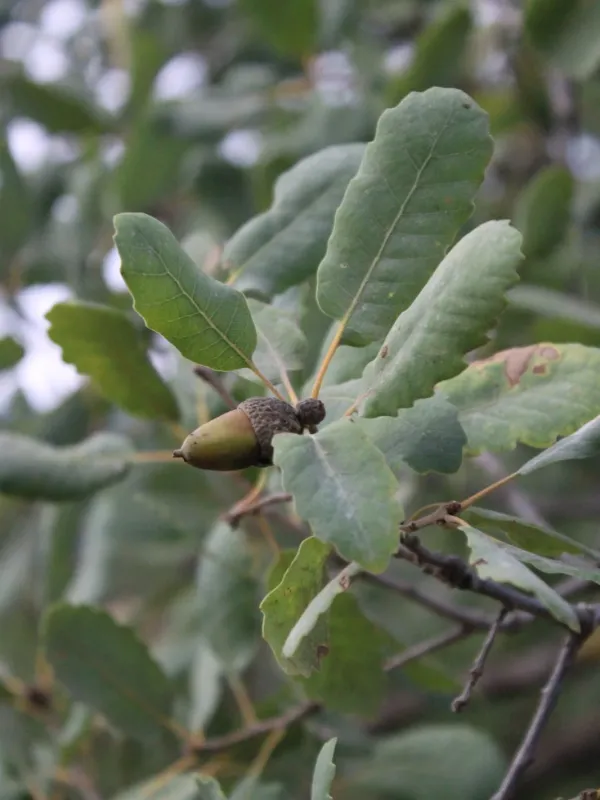
Description
Growing requirements
The Aleppo oak (Quercus infectoria) belongs to the Fagaceae family and is native to the regions spanning from the Mediterranean to Western Asia.
This species thrives in a Mediterranean climate, characterized by warm, dry summers and mild winters, exhibiting significant drought tolerance.
It prefers well-drained, limestone-rich soils where its deep root system can establish effectively and access deep-seated mineral resources.
The tree typically grows as a small deciduous tree or a shrub, adapting its growth habit to rocky slopes and dry Mediterranean scrublands.
Sunlight is critical for the development of Quercus infectoria; it requires open areas to maintain a healthy crown and ensure proper gas exchange.
Yield
The economic importance of the Aleppo oak is primarily linked to the harvest of oak galls, which form on the twigs following insect infestation.
These galls contain a exceptionally high concentration of tannins, historically used as the main component in ink production and leather tanning.
Harvesting usually occurs after the larvae have emerged, as this ensures the galls have reached their peak chemical potency for industrial use.
Pharmacological interest in these galls continues due to their high astringent, anti-inflammatory, and antimicrobial properties utilized in traditional remedies.
The potential yield is highly dependent on the population density of gall-forming wasps (Cynipidae) within the specific forest plantation.
Main diseases and pests
The most significant biological impact on the tree comes from gall wasps, which induce the growth of galls, diverting nutrients away from the branch tips.
Fungal infections, particularly powdery mildew, can affect the leaves during periods of high humidity, impacting the overall tree vigor.
Wood-boring insects may target weakened or aged specimens, potentially leading to structural instability if the infestation is not managed properly.
Environmental stressors such as prolonged extreme heat or severe drought can stunt development and increase susceptibility to secondary pests.
Effective management strategies include periodic monitoring for signs of infestation and maintaining tree vitality through proper spacing and moisture management.