
Almost-silky oak
Quercus subsericea
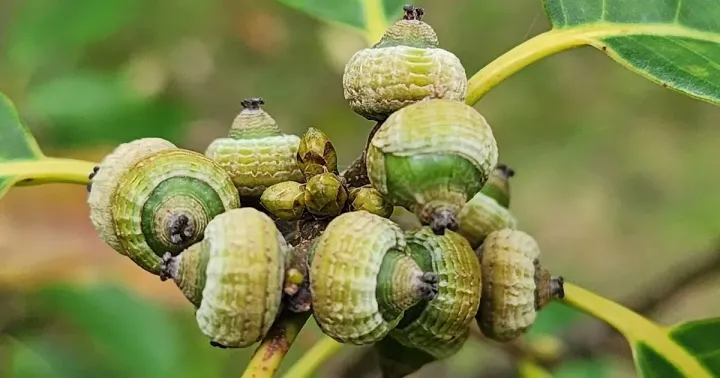
Description
Growing requirements
The almost-silky oak (Quercus subsericea) is a member of the Fagaceae family, native to the tropical forests of Southeast Asia. It is valued primarily for its resilient wood and ecological contribution to tropical ecosystems.
To thrive, this species requires a tropical climate characterized by consistently high temperatures and significant annual rainfall. It is best adapted to regions where air humidity remains high throughout the year.
Soil requirements involve deep, well-draining substrates, typically found in hilly landscapes. While the tree loves moisture, it cannot withstand waterlogged conditions, making drainage a priority in any plantation project.
Agronomic practices for this species focus on initial shade requirements for seedlings, transitioning to full sun exposure as the tree matures. Propagation is typically done via nursery-raised stock to ensure high survival rates.
In terms of economic use, the wood of Quercus subsericea is highly prized in the construction and furniture industries. Its dense grain and structural integrity make it a preferred material for high-quality woodcrafts.
Main diseases and pests
Common threats include fungal pathogens that target the root system, particularly when soil drainage parameters are not met.
Stem-boring insects represent a significant risk to timber quality, as they can cause extensive internal damage that reduces the commercial value of the wood.
Effective management includes regular monitoring of tree health and sanitation pruning to remove infected branches and prevent fungal spread.
Environmental stress, such as uncharacteristic drought periods in tropical regions, can weaken tree resistance to local pests and diseases.
Competitive flora must be managed carefully in young stands to ensure that nutrients and water are exclusively available to the developing oak saplings.