
Arkansas oak
Quercus arkansana
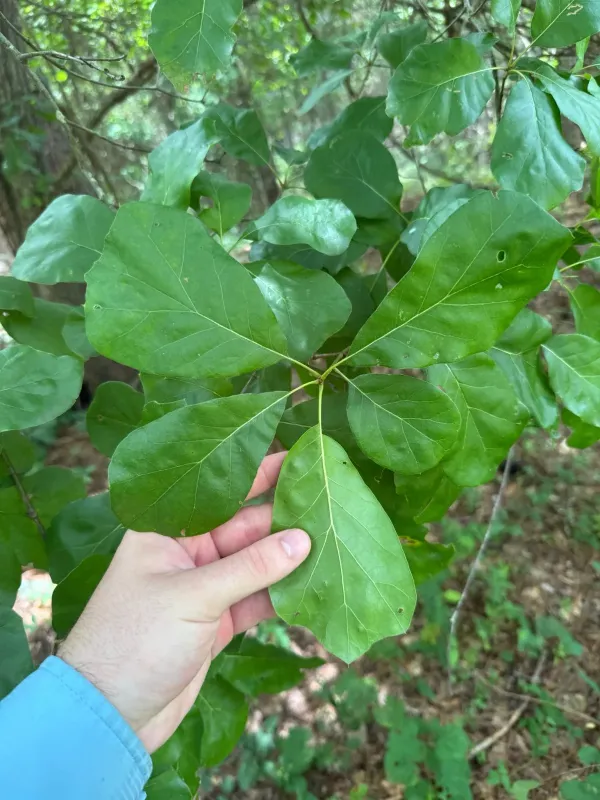
Description
Growing requirements
The Arkansas oak (Quercus arkansana) is a deciduous tree species belonging to the Fagaceae family. It is a rare, localized endemic species primarily found in the southern United States, specifically in parts of Arkansas, Alabama, and Georgia.
This species thrives in well-drained, sandy to sandy-loam soils. It is highly intolerant of waterlogged conditions, making proper site drainage an essential prerequisite for planting in nurseries or forests.
The Arkansas oak requires full sun exposure for healthy growth. In shaded conditions, the tree tends to develop poorly, losing its natural canopy shape and showing signs of stunted growth, which reduces its overall vigor.
Regarding climatic conditions, it is adapted to warm, humid temperate zones. While established trees show some tolerance to environmental stress, young saplings need careful moisture management during their initial establishment phase.
Standard silvicultural practices for this oak include maintaining a clear area around the base to prevent competition from invasive weeds. Mulching is highly recommended to regulate soil temperature and moisture levels, mimicking its natural forest floor habitat.
Yield
The Arkansas oak is primarily managed for conservation and ornamental purposes rather than high-volume timber production. Its wood is dense and durable, characteristic of the red oak group, but commercial harvesting is restricted due to the tree's rarity.
Yield in terms of acorn production is dependent on tree maturity. Mature trees, usually older than 25 years, provide a vital food source for local wildlife and serve as the genetic foundation for ongoing restoration efforts.
In nursery settings, the focus is on producing high-quality seedlings. Proper seed stratification techniques are crucial to overcoming dormancy and ensuring a high success rate during the germination stage in a controlled environment.
The tree's aesthetic appeal makes it a prized addition to botanical collections and large-scale landscapes. Its unique foliage structure and autumn coloration provide significant value for landscape architects focused on native biodiversity.
Future agricultural and silvicultural potential lies in integrating this species into sustainable forest management programs. By selecting optimal microclimates, land managers can successfully foster new cohorts of this rare tree species.
Main diseases and pests
Pathogenic fungi affecting the vascular system are the most significant threat to the Arkansas oak. Vigilant monitoring is required to detect early signs of wilting or bark necrosis, which indicate systemic health issues.
Acorn-feeding insects and beetles pose a major challenge to seed viability. Implementing integrated pest management strategies during the fruiting season is essential to preserve the potential for natural regeneration and seed collection.
Powdery mildew is a frequent issue in nursery environments where humidity levels are difficult to manage. Improving air circulation and maintaining proper spacing between saplings are the most effective preventive measures.
Root rot is often associated with poor soil management or excessive irrigation. Ensuring that the soil remains aerated and that standing water does not accumulate around the root collar is a fundamental aspect of oak health.
Ongoing climate shifts and the introduction of new invasive pests necessitate a proactive approach to tree health. Regularly checking the canopy and foliage for anomalies allows for quick intervention and ensures the longevity of the plantings.