
Bamboo-leaf oak
Quercus myrsinifolia
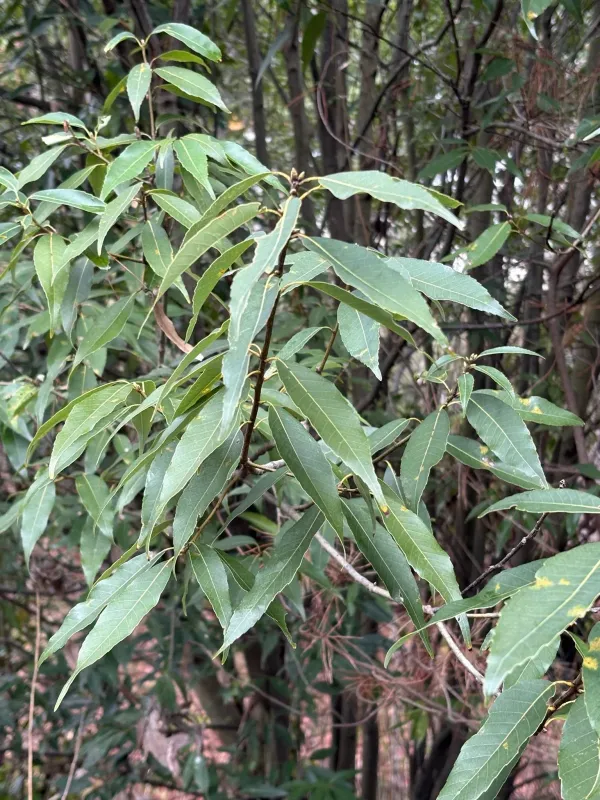
Description
Growing requirements
Bamboo-leaf oak (Quercus myrsinifolia) is an evergreen species within the Fagaceae family, native to East Asia. It is highly valued in horticulture for its dense, glossy foliage and elegant growth habit, making it an excellent candidate for ornamental landscaping.
The cultivation of this species requires well-drained, fertile soil rich in organic matter. While it is adaptable to various soil types, it performs best in slightly acidic to neutral environments that allow for consistent moisture retention without becoming waterlogged.
Climatic requirements are focused on mild to temperate zones, as the tree appreciates consistent rainfall throughout the growing season. Young plants require protection from harsh winds and extreme frost during their first few years of establishment.
Agronomic practices include regular irrigation, especially during the dry summer months, and the application of balanced fertilizers to support vigorous growth. Mulching is highly recommended to regulate soil temperature and inhibit weed competition near the root zone.
The tree is extensively used in landscape architecture to form privacy screens, windbreaks, or as a focal point in public parks. Its ability to withstand urban environmental stressors makes it a sustainable choice for metropolitan green spaces.
Main diseases and pests
Powdery mildew is a common fungal threat, particularly in locations with poor air circulation or excessive humidity. Proper spacing between trees is essential to ensure adequate airflow and reduce the incidence of such diseases.
Insect pests, such as aphids and various leaf-eating caterpillars, may infest the foliage during the spring and early summer. Integrated pest management strategies, including monitoring and the use of targeted biological agents, are recommended.
Root rot caused by stagnant water is a significant concern for Quercus myrsinifolia. Careful site selection and the installation of effective drainage systems are vital to prevent the loss of trees due to fungal colonization of the root system.
Nutrient deficiencies, specifically chlorosis, can occur if soil pH levels are not optimal, preventing the absorption of essential micronutrients. Regular soil testing allows for precise fertilization and the maintenance of plant vigor.
Sanitation practices, such as the removal of debris and fallen leaves, are crucial for long-term health. These steps prevent the overwintering of pathogens and keep the tree plantation clean throughout the year.