
Bamboo-leaved oak
Quercus bambusifolia
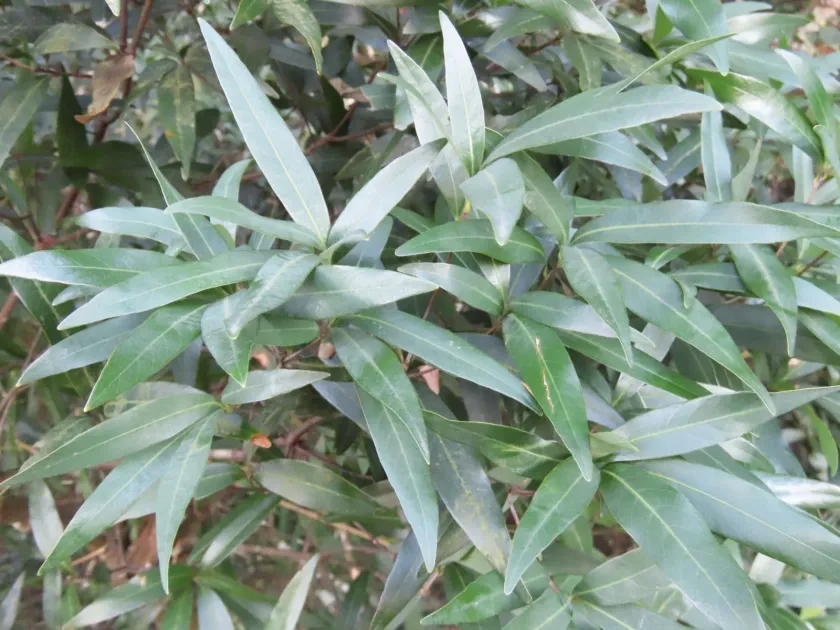
Description
Sowing dates
Sowing the seeds of the bamboo-leaved oak should be carried out immediately after harvest, as the acorns of this species lose viability quickly upon drying. The optimal time for establishing forest nurseries is late autumn, allowing the seeds to undergo natural stratification in the soil.
In greenhouse conditions, seeds are planted in containers with a well-drained substrate. It is crucial to adhere to a planting depth of approximately three to five centimeters to provide sufficient nourishment for the emerging seedling.
Pre-treatment of acorns with fungicides can significantly reduce the risk of pathogen infection during the early growth stages. Temperature should be maintained between 15 and 20 degrees Celsius during the germination period.
When transplanting seedlings to their final location, it is advisable to choose the spring period before active sap flow begins. This ensures better establishment of the root system before the onset of summer heat.
For forestry plantation purposes, a planting scheme that accounts for the future habit of the tree is used, as this species has a marked ability to develop a dense canopy.
Growing requirements
The bamboo-leaved oak belongs to the Fagaceae family and is an evergreen tree adapted to subtropical climates. The culture prefers moderately moist, well-drained soils with a neutral or slightly acidic pH balance.
The plant exhibits high sensitivity to drastic temperature fluctuations and requires areas sheltered from strong winds. In its juvenile stage, it requires partial shade, which mimics the conditions of a natural forest canopy.
Optimal development of the culture occurs with stable rainfall levels throughout the growing season. Excessive soil waterlogging is detrimental to the root system, making the choice of sloping or elevated sites a priority.
Cultivation practices include regular loosening of the soil around the base and the application of complex organic fertilizers in the early years of the tree's life. Mulching helps retain soil moisture levels and inhibits weed growth.
This species is valued for its high ornamental quality and air purification capacity, making it suitable for landscaping park zones and gardening in appropriate climatic zones.
Main diseases and pests
One of the primary threats to young plantations is fungal diseases that thrive in high-humidity conditions. Phytophthora can affect the root collar, often leading to the death of seedlings.
Pests, such as weevils, frequently damage acorns, significantly reducing germination rates even before sowing. Quality control of the seed material is a critical step in crop protection.
Leaf-eating insects, including caterpillars of various Lepidoptera, can cause substantial harm to foliage during periods of population outbreaks. Regular monitoring of the canopy helps in taking timely measures for biological treatment.
Damage to the trunk by rodents during winter can open pathways for secondary infections. The use of protective nets or barriers around young trees is a mandatory preventative measure.
Non-infectious damages, caused by violations of agronomic practices such as micronutrient deficiencies, can also weaken the tree, making it vulnerable to secondary pests.