
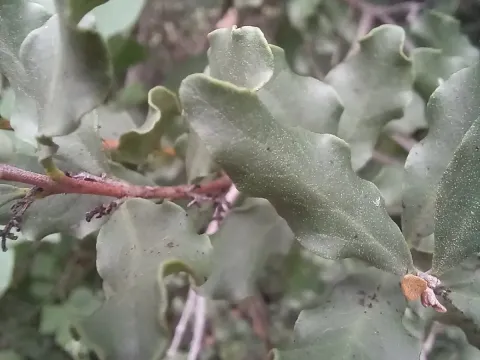
Euclea undulata
Euclea undulata
Euclea undulata, commonly known as the common guarri, is an evergreen shrub or small tree belonging to the Ebenaceae family. It is native to the diverse landscapes of Southern and Eastern Africa, where it thrives in various climatic zones.
What the section contains
Euclea undulata
The species is remarkably resilient and well-adapted to different soil types, including sandy, loamy, and rocky soils. Proper soil drainage is essential for this crop, as waterlogging can cause severe damage to its root system and inhibit healthy development.
In terms of climate requirements, Euclea undulata prefers sun-exposed locations with moderate to high temperatures. It is highly valued for its exceptional drought tolerance, making it an excellent choice for xeriscaping and sustainable planting projects.
Agricultural management involves monitoring soil moisture and providing sufficient spacing between plants to ensure proper aeration. While the plant is hardy, it requires protection from severe frost, which can cause significant damage to young, tender shoots.
The plant has multiple uses, ranging from ornamental landscaping and providing shade to the production of high-density timber. Its fruits are edible and represent a traditional food source for local communities throughout its natural distribution range.
The primary threats to Euclea undulata include various fungal pathogens that flourish in environments with poor air circulation. These infections typically manifest as leaf spots or stem lesions, which require immediate treatment with fungicides.
Insect pests such as scale insects and mealybugs are the most common adversaries for this crop. They attach themselves to the bark and leaves, drawing nutrients from the plant and causing significant growth retardation if left unchecked.
Integrated pest management (IPM) is recommended to control populations of harmful insects. This includes the manual removal of heavily infested branches and the application of horticultural oils or systemic insecticides when necessary.
Cultural practices such as thinning the canopy and maintaining clean growing areas significantly reduce the risk of infestation. It is vital to remove fallen leaves and debris from the base of the plant to prevent the buildup of fungal spores.
Regular monitoring during the active growing season allows producers to detect early signs of stress. Balancing nutrient input and water supply helps maintain a robust plant, which is the best natural defense against pests and diseases.