
Gabon ebony
Diospyros crassiflora
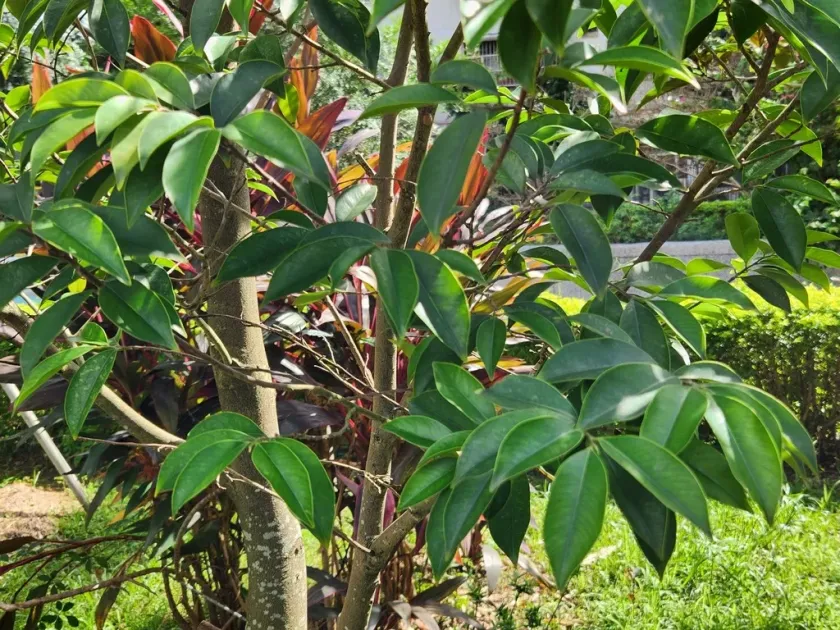
Description
Growing requirements
Gabon ebony, botanically classified as Diospyros crassiflora, is a prominent member of the Ebenaceae family. It is globally recognized for producing the finest quality black ebony wood, prized in instrument making and furniture design.
The species is native to the lowland tropical rainforests of West and Central Africa. It thrives in regions characterized by high annual rainfall and consistent tropical temperatures, typically found in areas with no pronounced dry season.
Cultivation requires deep, fertile, and well-drained soils. As a climax species in the rainforest, it prefers environments that provide consistent humidity and protection from harsh environmental stressors like high winds or direct exposure to intense sunlight during its early stages.
The botanical structure of the tree is characterized by a very slow growth rate, leading to the exceptionally high density and deep pigmentation of the heartwood. It maintains a dense, dark green canopy that supports local ecosystem biodiversity.
In terms of agricultural management, success depends on replicating tropical forest conditions. Given its slow maturation, this species is typically managed through sustainable forest conservation rather than intensive commercial plantation farming.
Main diseases and pests
The primary threat to Diospyros crassiflora is over-exploitation due to the extreme market value of its timber. The slow growth cycle makes natural replenishment of harvested populations nearly impossible within a human timeframe.
Plant diseases such as fungal infections of the roots are common when the tree is cultivated outside of its ideal environmental conditions. Poor soil drainage specifically triggers rot, which can prove fatal to young seedlings and saplings.
Insect pests include various species of bark-boring beetles that compromise the integrity of the wood. Such infestations significantly reduce the economic value of the tree, as the heartwood is the desired part for industrial use.
Habitat loss due to agriculture and logging remains a critical factor. The destruction of the forest floor reduces the chances for saplings to establish themselves, leading to an aging population structure in the wild.
Conservation efforts are currently focused on regulating trade and implementing sustainable harvesting protocols to prevent this unique species from reaching the point of biological extinction in its natural habitat.