
Diospyros wallichii
Diospyros wallichii
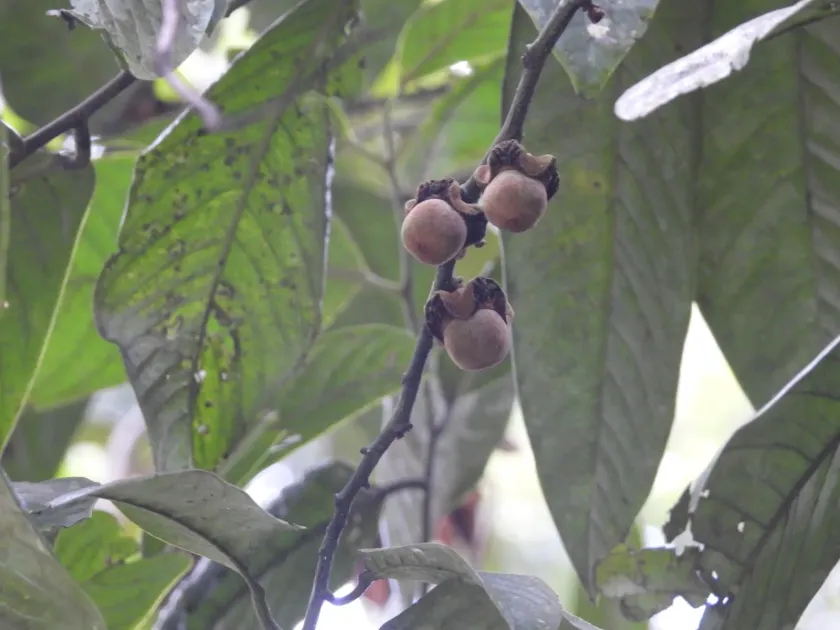
Description
Growing requirements
Diospyros wallichii, commonly known in botanical circles as a species of the Ebenaceae family, is an evergreen tree native to the tropical rainforests of South and Southeast Asia. It thrives in high-humidity environments typical of its natural range.
The climatic requirements for this species are strict; it requires consistent, high temperatures throughout the year. As a tropical plant, it does not possess natural mechanisms for dormancy or cold resistance, making it suitable only for strictly tropical or controlled environments.
Soil preferences involve deep, well-draining substrates that are rich in organic matter. Proper drainage is critical, as the species is highly susceptible to root damage caused by prolonged waterlogging or anaerobic soil conditions.
Botanically, Diospyros wallichii is distinguished by its robust wood structure and perennial, leathery foliage. The plant requires light-intensity management, as it often grows in the shade of larger forest trees in its native habitat, making direct midday sunlight potentially harmful.
Economically, the species is primarily valued for its scientific importance and its relationship to other economically significant members of the Diospyros genus. It is rarely found in mass commercial agriculture, serving instead as a subject of botanical study and collection.
Main diseases and pests
The primary threats to Diospyros wallichii include root rot and fungal infections of the vascular system. These diseases are often triggered by improper irrigation cycles and poor soil aeration, which favor the proliferation of harmful pathogens.
Pests such as scale insects and aphids pose a significant risk by feeding on the sap of young branches and foliage. These infestations can lead to stunted growth and provide entry points for secondary bacterial infections within the plant tissues.
In humid, stagnant air conditions, the development of powdery mildew on leaves can cause severe stress to the plant. Improving airflow and maintaining optimal plant spacing are essential preventive measures in managed environments.
Managing the health of Diospyros wallichii requires regular phytosanitary inspections. Early detection of leaf discoloration or wilting can prevent the spread of diseases throughout the plant population.
The use of integrated pest management (IPM) is recommended, prioritizing biological controls over broad-spectrum pesticides to preserve the plant's delicate equilibrium within the ecosystem.