
Hairy persimmon
Diospyros pubescens
Description
Growing requirements
The hairy persimmon (Diospyros pubescens) is a perennial fruit tree belonging to the Ebenaceae family. This species originates from the subtropical and tropical regions of Southeast Asia, where it has historically thrived in diverse forest ecosystems characterized by high humidity and consistent rainfall patterns during the growing season.
Cultivating this tree requires a strategic approach to climate selection, as it prefers regions with warm, stable temperatures. It is highly sensitive to extreme frost, which necessitates planting in protected areas or sheltered zones to ensure the survival and vigor of the tree's vascular system throughout the winter period.
Regarding soil requirements, Diospyros pubescens performs best in deep, well-drained, and nutrient-rich soils. The tree is intolerant of waterlogged conditions, which can lead to root asphyxiation and eventual decline. Therefore, site preparation often involves soil modification or raised bedding to facilitate proper aeration.
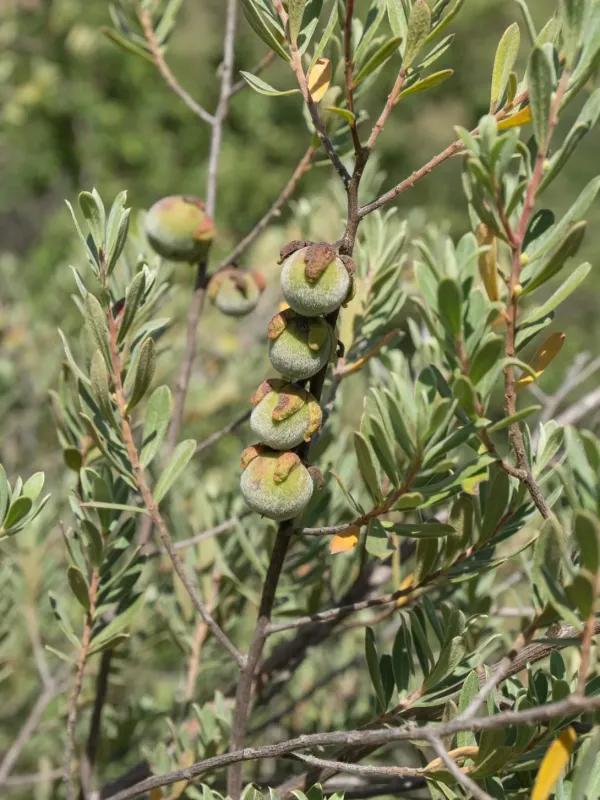
Botanically, the species is distinguished by the fine pubescence found on its young stems and the abaxial surface of its leaves. These structural adaptations are critical for moisture retention and protection against pathogens in the humid environments of its native habitat. Regular canopy management through thinning is recommended to improve light penetration.
From an agricultural standpoint, the tree is grown primarily for its edible fruits, which develop a complex flavor profile upon reaching physiological maturity. The wood of the genus is also historically significant, though for this specific species, the emphasis remains on pomological evaluation and cultivation for fruit production in suitable climatic zones.
Main diseases and pests
The primary threats to Diospyros pubescens are fungal pathogens such as leaf spot and anthracnose, which tend to proliferate in stagnant, high-humidity environments. Implementing strict orchard hygiene, including the removal of infected plant debris, is vital for managing the risk of fungal spread.
Insects like scale insects and mites are the most common pests affecting this species. Growers are advised to utilize a monitoring program that includes the use of sticky traps and periodic inspections of foliage, followed by targeted applications of soft pesticides to mitigate populations before they cause economic damage.