
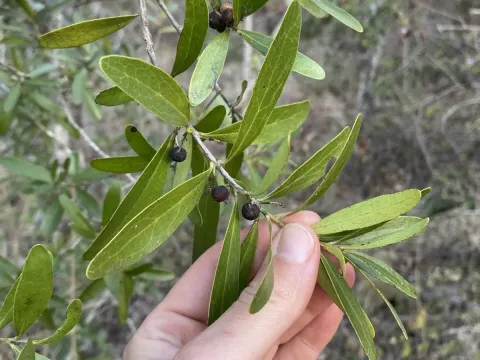
Euclea schimperi
Euclea schimperi
Euclea schimperi is a resilient evergreen shrub or small tree belonging to the Ebenaceae family. It is widely recognized for its high ecological adaptability and the robustness of its wood, which is often used for specialized construction purposes in its native range.
What the section contains
Euclea schimperi
The species is primarily native to Eastern and Northeastern Africa, thriving in diverse habitats including dry forests, woodlands, and rocky slopes. It has evolved to survive in environments with high water stress, demonstrating exceptional drought resistance compared to other woody species.
To cultivate Euclea schimperi effectively, one must ensure a well-draining soil profile. While the plant can tolerate a variety of soil textures, ranging from sandy to clay-loams, it performs best in soils with a neutral pH, where roots can extend deeply without waterlogging.
Climatic requirements involve access to full sun to partial shade conditions. The plant requires a consistent supply of warmth for optimal growth, although it is hardy enough to endure significant temperature fluctuations typical of its endemic regions.
Agricultural management includes strategic spacing to prevent resource competition. Given its slow growth rate, the plant is often managed in agroforestry systems where it serves as a windbreak, a soil stabilizer, and a source of non-timber forest products.
One of the primary benefits of Euclea schimperi in agriculture is its low susceptibility to pests. The high concentration of tannins and secondary metabolites in the foliage acts as a natural deterrent against many herbivores and foliar-feeding insects.
Pathogen risks are generally localized. Root rot caused by pathogenic fungi is the most critical threat in poorly drained soils. Farmers are advised to avoid over-irrigation and ensure that the root crown remains dry to prevent fungal colonization.
Infestations by scale insects or borers may occur in stressed or malnourished trees. Proper maintenance of soil fertility and adequate spacing are key preventative measures to keep individual trees vigorous and less attractive to opportunistic pests.
No systemic chemical control is typically required for this species. Integrated pest management (IPM) practices, such as maintaining healthy tree hygiene and promoting beneficial insect predators, are sufficient to handle potential minor outbreaks.
Monitoring the foliage for signs of chlorosis or abnormal growth patterns is essential for early diagnosis. Keeping detailed records of local conditions helps in refining cultivation protocols to suit the specific microclimate of the farm.