
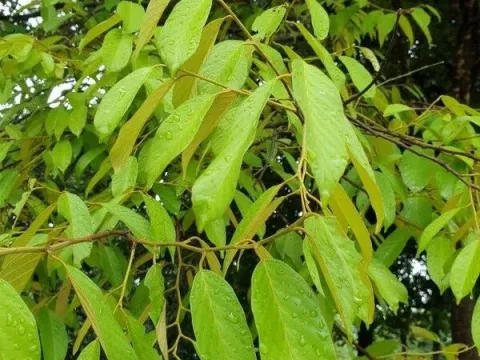
Shorea multiflora
Shorea multiflora
Shorea multiflora is a prominent species within the Dipterocarpaceae family, native to the tropical rainforests of Southeast Asia. It is a large canopy tree that plays a vital role in maintaining the ecological balance of lowland and hill dipterocarp forests.
What the section contains
Shorea multiflora
The species requires a consistent tropical climate characterized by high temperatures and significant annual rainfall. Ideal growing sites include well-drained, nutrient-rich soils that support the rapid biomass accumulation typical of these giant forest trees.
Botanically, the tree is recognized for its dense, leathery foliage and its reproductive biology involving wind-dispersed fruits with wing-like structures. These adaptations ensure effective regeneration within the competitive environment of the primary forest.
Silvicultural requirements emphasize the need for adequate shade during the seedling and sapling stages. Forest managers typically utilize shelterwood systems to ensure that young Shorea specimens receive protection from harsh direct sunlight while gradually adapting to canopy conditions.
Monitoring soil moisture levels and avoiding waterlogged terrain are essential for preventing root diseases. The species shows a strong preference for terrains that provide good soil aeration, allowing the roots to penetrate deeply and anchor the heavy trunk securely.
Shorea multiflora is highly valued for its timber, commonly marketed under the trade name of Meranti. The wood is prized for its moderate density, strength, and workability, making it a staple in the furniture and construction industries globally.
Harvesting strategies are increasingly focused on sustainable forest management, where selective logging is practiced to ensure the survival of younger trees. This approach helps maintain the long-term viability of the forest ecosystem while providing a steady supply of high-quality wood.
In addition to timber, the tree is a source of resin, which has historically been collected by indigenous communities for use in sealants, varnishes, and traditional medicine. This non-timber forest product harvesting is conducted to complement the timber economy.
Post-harvest processing involves controlled kiln drying to ensure the wood reaches the desired moisture content for manufacturing. This stage is critical to preventing shrinkage and cracking, thereby ensuring the longevity of the final product in various construction applications.
The industry continues to invest in better forest inventory systems to track the growth rates of Shorea populations. Through scientific management, the aim is to balance the economic demand for wood with the conservation of this essential tropical species.