
Shorea ovalifolia
Shorea ovalifolia
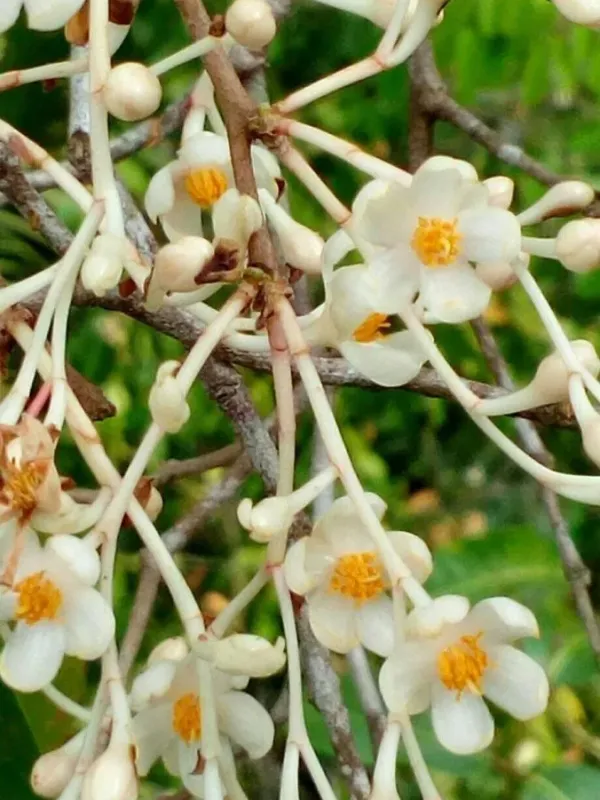
Description
Growing requirements
Shorea ovalifolia is a majestic tropical tree species belonging to the Dipterocarpaceae family. It is typically found in the dense, moist tropical forests of Southeast Asia, where it thrives under conditions of high humidity and constant annual temperatures.
This species requires deep, well-drained soils rich in organic matter to support its expansive and sturdy root system. The tree is highly adapted to the ecological niches of equatorial regions, where it often forms part of the forest canopy.
Climatic requirements are specific, as the tree lacks a dormant period and depends on consistent rainfall throughout the year. Drought stress is detrimental to its growth and can lead to significant physiological damage in younger specimens.
In terms of agricultural practice, providing proper shading for seedlings is vital. While mature trees are light-demanding, early development stages require protection from intense direct sunlight to maintain the necessary moisture balance in the leaf tissue.
Soil management for Shorea ovalifolia is generally minimal due to its adaptation to natural forest dynamics. However, maintaining the integrity of the soil structure and avoiding compaction is essential for the tree's long-term health and growth rate.
Yield
The primary economic value of Shorea ovalifolia lies in its timber, which is highly prized for its durability, density, and resistance to pests. It is extensively used in high-quality furniture making, decking, and heavy structural applications.
Timber yield is heavily dependent on the tree's age, with harvesting cycles spanning decades. Modern forestry strategies focus on sustainable harvesting, ensuring that tree populations are replenished through both natural regeneration and selective replanting.
Beyond timber, some species within the genus are known for their resin production. This resource serves various industrial purposes, including the manufacturing of varnishes and certain traditional medicines, adding value to the economic profile of these trees.
Genetic research and silvicultural practices are increasingly focused on improving the growth rate of this slow-maturing species. Selecting superior genotypes can lead to higher timber yields and improved resilience to environmental stressors.
Sustainable forest management practices prioritize selective logging over clear-cutting. This approach preserves the forest ecosystem and allows the remaining trees to continue their growth, providing a steady and long-term supply of high-value wood.
Main diseases and pests
Fungal pathogens represent one of the most significant threats to Shorea ovalifolia, especially in regions with excessive precipitation. These pathogens can compromise the structural integrity of the wood, making trees unsuitable for commercial use.
Insect pests, particularly wood-boring beetles, pose a major risk to tree health. By tunneling into the cambium and heartwood, these pests inhibit nutrient flow and facilitate the entry of secondary diseases, significantly reducing the tree's lifespan.
Competition from fast-growing invasive plant species can hinder the development of young seedlings. Routine forest floor maintenance and the removal of invasive vines are crucial steps to ensure the survival of young plantation trees.
Environmental threats also include severe wind events such as tropical storms, which can cause significant physical damage to the tree canopy. Strategic planting and the maintenance of shelterbelts can help mitigate the risks of wind-induced tree loss.
Phytosanitary monitoring is an essential component of professional forestry. Identifying and addressing pest outbreaks at an early stage is critical for protecting the health of the entire forest stand and maintaining consistent timber quality.