
Shorea maxwelliana
Shorea maxwelliana
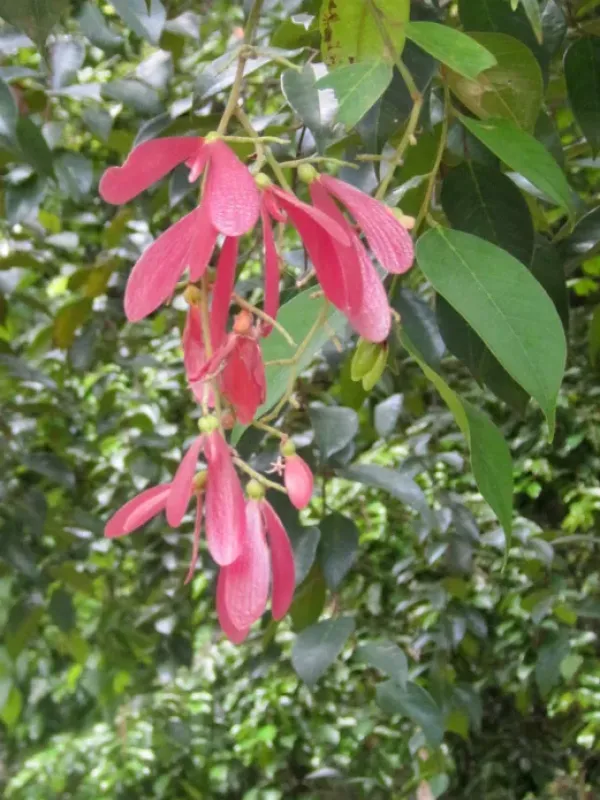
Description
Growing requirements
Shorea maxwelliana is a prominent member of the Dipterocarpaceae family, native to the tropical rainforests of Peninsular Malaysia. It is a large, emergent tree that plays a vital role in maintaining the structural complexity and biodiversity of its native forest environment.
The tree thrives in climates characterized by high annual rainfall and consistent tropical temperatures. It does not tolerate prolonged dry seasons or cold spells, as these conditions disrupt its physiological processes and growth cycles.
Soil requirements involve deep, fertile substrates that are well-drained. In forestry practices, selecting sites with proper moisture regulation is essential to prevent root rot, which is a common failure point for this species in managed settings.
Silvicultural management focuses on mimicking natural gap dynamics to encourage regeneration. Seedlings benefit from light canopy shading in their early years before transitioning to the emergent layer where they require full sunlight.
Known for its heavy and durable timber, often traded as 'balau', the wood is prized for its high resistance to rot and termites. This makes Shorea maxwelliana a cornerstone species for high-end heavy construction, decking, and marine engineering projects.
Main diseases and pests
The primary threat to the stability of Shorea maxwelliana populations is extensive land-use change, particularly conversion to monoculture oil palm plantations.
Seedling mortality is often high due to the impact of specialized fungal infections that thrive in the humid forest understory during wet season transitions.
Wood-boring insects represent a significant risk to the economic value of mature trees, especially when standing timber is stressed by environmental factors or neighboring disturbances.
Soil compaction caused by heavy logging machinery destroys the sensitive mycorrhizal networks that the tree relies upon for nutrient absorption in nutrient-poor tropical soils.
Illegal logging activities and the lack of strict reforestation protocols hinder the long-term sustainability of the species, leading to a decline in mature seed-bearing trees.