
Shorea palembanica
Shorea palembanica
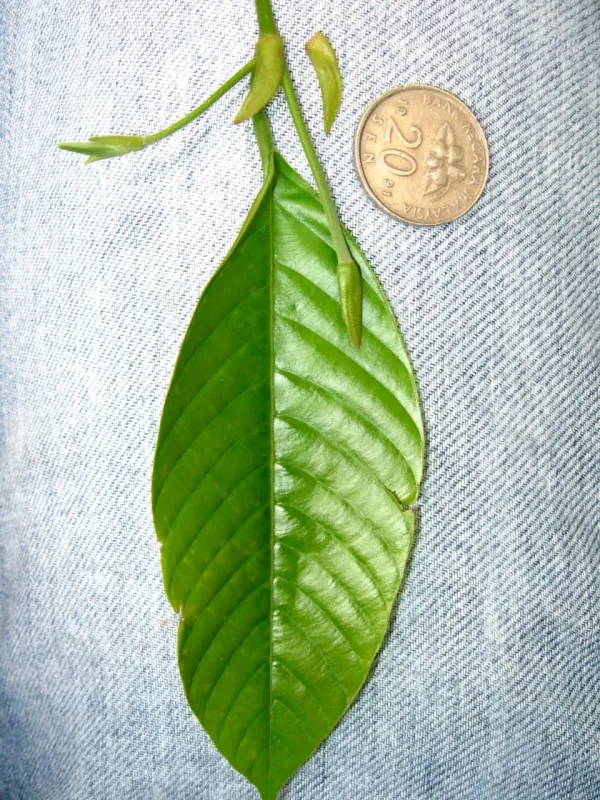
Description
Growing requirements
Shorea palembanica is a prominent member of the Dipterocarpaceae family. These majestic evergreen trees can reach heights of up to 50 meters, forming a significant part of the canopy in their natural habitat.
The species is native to the lowland rainforests of Southeast Asia, specifically across Sumatra, Borneo, and Peninsular Malaysia. It is well-adapted to alluvial soils that experience periodic waterlogging, showing high tolerance to wet environmental conditions.
Optimal growth requires a warm, humid tropical climate with consistent precipitation throughout the year. The tree thrives in areas where temperature fluctuations are minimal, ensuring stable biological activity for the plant.
Agronomic management involves maintaining healthy forest conditions, as the species relies on natural canopy shading during its early development stages. Soil moisture management is essential in plantation forestry to simulate the natural flood-prone environments these trees prefer.
Economically, the tree is highly valued for its timber, which is classified commercially as a type of light meranti. Beyond its wood, the tree has been historically important for the collection of resins used in traditional crafts and industrial applications.
Main diseases and pests
The primary threat to Shorea palembanica is habitat loss due to the expansion of industrial plantations, particularly oil palm. Deforestation disrupts the ecological balance and prevents the regeneration of the species in the wild.
Insect pests, particularly borers and bark beetles, pose a major risk to standing trees. These pests can cause significant damage to the wood quality, rendering the timber unsuitable for high-end furniture or construction purposes.
Fungal pathogens represent a major concern in nurseries and young plantations. Root rot, caused by excessive soil moisture and poor drainage in artificial conditions, can lead to widespread plant mortality if not managed properly.
Climate change and prolonged drought periods create severe physiological stress for the trees. When stressed, they become significantly more susceptible to secondary infections and infestations that they would otherwise be able to resist.
Sustainable forest management practices, including pest monitoring and the protection of mature mother trees, are critical. Without such efforts, the genetic diversity of the species remains at risk from pests and changing environmental pressures.