
Shorea mecistopteryx
Shorea mecistopteryx
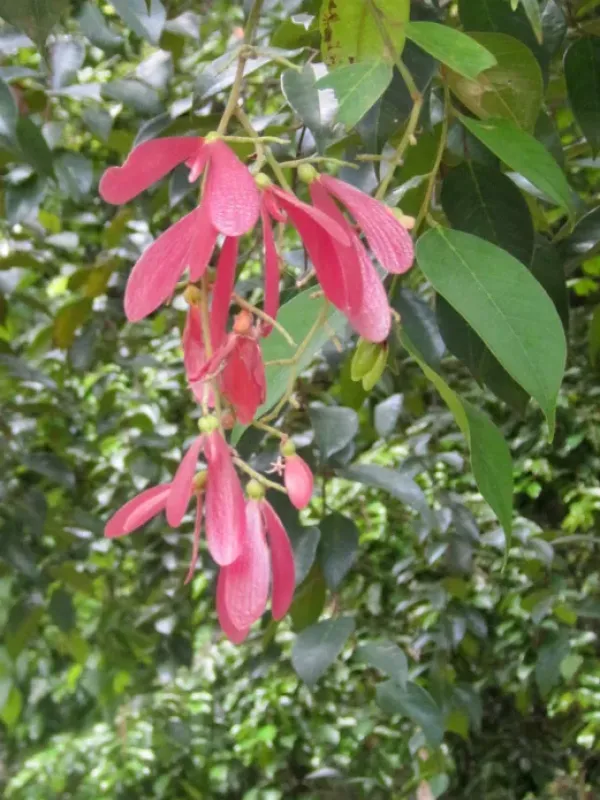
Description
Growing requirements
Shorea mecistopteryx belongs to the Dipterocarpaceae family, a prominent group of tropical trees native to the rainforests of Borneo. It is a large evergreen species adapted to the humid conditions of the equatorial belt.
The climate requirements for this species are strict, demanding high average annual temperatures without significant fluctuations. It thrives in regions where the environment remains warm and humid throughout the entire calendar year.
Water requirements are equally critical; the species is sensitive to prolonged dry spells. Consistent and abundant rainfall is necessary to maintain the high levels of atmospheric humidity required for the tree to thrive.
Regarding soil preferences, Shorea mecistopteryx requires deep, fertile, and well-drained soils. While it loves moisture, it cannot withstand waterlogged conditions, which lead to root asphyxiation and eventual plant decline.
Agronomic management involves careful light management. In young stages, plants benefit from partial shade, mimicking the conditions of their natural forest habitat. As they mature, their requirements for light intensity increase.
Yield
The primary economic output of Shorea mecistopteryx is its seeds, which are rich in fats and are commonly referred to as illipe nuts. These are processed to extract a valuable vegetable butter used in confectionery and cosmetics.
Yield patterns are characterized by irregular mass fruiting events. This natural phenomenon, known as masting, means that growers must be prepared for variable production cycles, which remains a challenge for consistent agricultural supply.
Harvesting is typically conducted manually once the fruits have fallen to the forest floor. Timely collection is essential to ensure the quality of the fat content and to prevent the nuts from sprouting or rotting due to the damp forest conditions.
Beyond oilseeds, the timber of Shorea mecistopteryx is highly prized for its density and durability. It is used in fine carpentry and construction, although the slow growth rate requires a long-term management strategy.
Current research efforts are focused on improving the uniformity of flowering and fruiting cycles through selective breeding and optimized plantation management techniques to increase overall land productivity.
Main diseases and pests
The most significant threat to the species is the widespread deforestation and conversion of native forests into monoculture plantations, which destroys the natural ecosystem necessary for pollination.
Seed predators are a major concern during the harvest season. Specific species of weevils and other insects can cause substantial damage to the nuts, significantly reducing the commercial viability of the gathered crop.
Root rot, often caused by pathogenic fungi in poorly drained areas, represents a lethal threat to plantations. This is particularly problematic in areas where soil management is not strictly controlled.
Leaf-feeding insects can also inhibit the growth of young seedlings in nursery settings. Integrated pest management strategies are often required to ensure that saplings reach maturity without excessive damage.
Unpredictable shifts in precipitation patterns due to global climate change present a long-term challenge, as they disrupt the delicate biological signals that trigger the tree's flowering and fruiting cycles.