
Shorea pachyphylla
Shorea pachyphylla
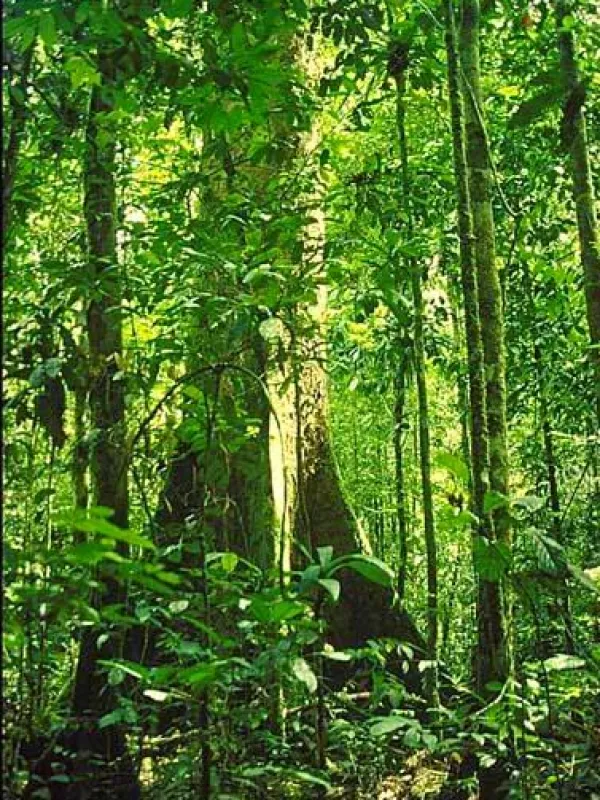
Description
Growing requirements
Shorea pachyphylla is a prominent member of the Dipterocarpaceae family. This majestic evergreen tree is native to the lowland tropical forests of Southeast Asia, specifically thriving in peat swamp environments.
The species requires a tropical climate with high humidity and consistent rainfall throughout the year. It does not tolerate prolonged dry periods or extreme temperature variations, making it highly site-specific.
In terms of soil requirements, it prefers deep, moisture-retentive, and nutrient-rich soils. It often dominates the canopy in swampy or alluvial areas where water tables remain high, supporting its specialized root structure.
The botanical structure is characterized by a massive trunk and a dense, broad crown. Being a light-demanding species in its mature stage, it often occupies the emergent layer of the forest, reaching significant heights.
Management of the species involves complex silvicultural practices. Seedlings are often prone to competition from fast-growing weeds and require careful tending to establish themselves in the understory until they can reach the canopy.
Harvesting
The primary economic use of Shorea pachyphylla is its high-quality timber, commonly marketed as dark red meranti. This wood is highly valued for its strength, durability, and resistance to environmental stress.
Applications for this timber include high-end furniture construction, interior joinery, decorative flooring, and structural applications in marine environments due to its innate resilience.
Harvesting is governed by strictly regulated sustainable forestry practices. Selective logging is the preferred method to maintain forest health, ensuring that only mature individuals are removed while preserving young growth.
Post-harvesting, the logs require careful handling and transport from remote tropical areas. Proper processing and seasoning are essential to ensure the wood does not warp or check during its final manufacturing stage.
Given its status as an important forest resource, international efforts are directed towards the conservation of its genetic diversity and the promotion of reforestation programs using native nursery-grown stock.