
Shorea ovata
Shorea ovata
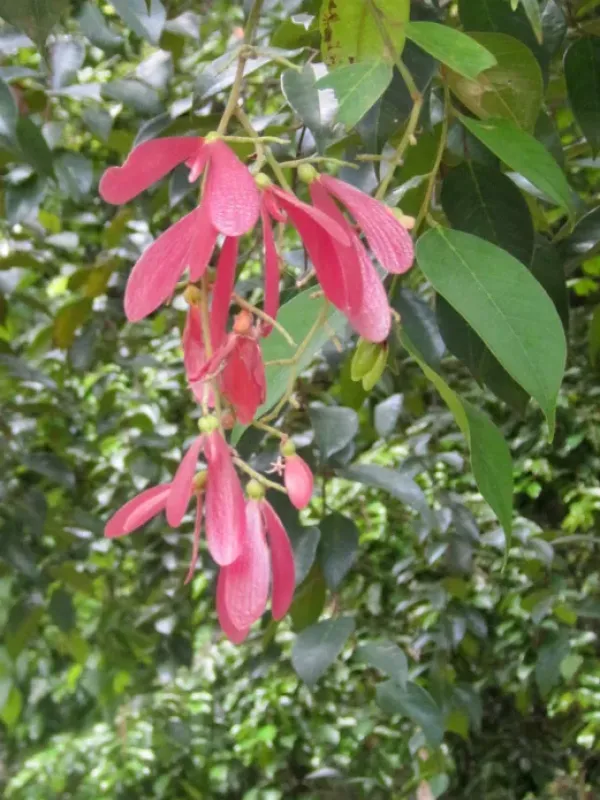
Description
Growing requirements
Shorea ovata is a significant species belonging to the Dipterocarpaceae family. This tropical tree is native to the lowland and hill dipterocarp forests of Southeast Asia, where it plays a critical role in forest structure and biodiversity.
The species requires a tropical climate characterized by consistently high temperatures and stable humidity. It thrives in regions with substantial rainfall throughout the year, as it lacks a dormant season typically found in temperate tree species.
Soil requirements for optimal growth include deep, well-drained loam or clay-loam soils. It is highly sensitive to waterlogged conditions, which can lead to root hypoxia and fungal proliferation in the rhizosphere.
Silvicultural management often involves shade-growing techniques for seedlings. Young trees naturally develop under a forest canopy, requiring protection from intense direct sunlight during their initial establishment phases.
Fertilization and soil management practices in nurseries focus on maintaining organic matter content. Ensuring a balanced pH level is also essential, as the species performs best in slightly acidic soil environments.
Yield
The primary economic value of Shorea ovata lies in its high-quality timber. It is widely prized for its density, strength, and durability, making it a preferred material for heavy construction and structural applications.
The wood is frequently utilized in the high-end furniture industry and for architectural millwork. Its natural resistance to certain types of wear and its aesthetic grain pattern ensure a steady market demand.
Secondary forest products, such as resins extracted from dipterocarps, continue to play a role in local economies. These resins are utilized in traditional industries, including the production of varnishes and incense.
Sustainable harvest strategies are vital for maintaining yields. Long-rotation forest management ensures that plantations remain productive over decades, balancing commercial timber extraction with the long-term health of the ecosystem.
Beyond wood production, the species contributes significantly to environmental services. Its role in sequestration of atmospheric carbon makes it a target for reforestation projects aimed at climate mitigation.
Main diseases and pests
The primary pathological threats to Shorea ovata involve soil-borne fungal pathogens. Root rot represents a significant challenge in plantations where soil drainage is not perfectly managed or when trees are stressed.
Insect pests, particularly stem borers, can cause severe damage by tunnelling into the cambium layer. This disrupts the tree’s nutrient transportation and can provide entry points for secondary pathogens.
Defoliators represent another category of pests that can retard the growth rate of juvenile trees. Management of these pests requires a systematic approach, including biological monitoring and integrated pest management strategies.
Environmental pressures, such as deforestation and climate change, pose a systemic risk to natural populations. Changes in precipitation patterns can negatively impact the regenerative capacity of the species.
Mitigation efforts focus on silvicultural health, including the selection of genetically resilient seedlings and the maintenance of adequate spacing between trees to prevent the rapid spread of infections within a plantation.