
Shorea ovalis
Shorea ovalis
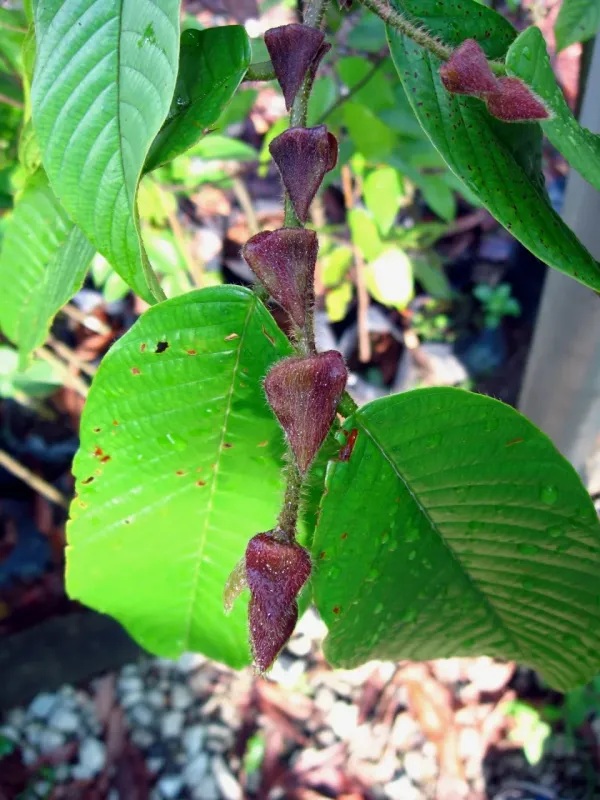
Description
Growing requirements
Shorea ovalis is a distinguished member of the Dipterocarpaceae family, recognized as one of the significant timber-producing trees in Southeast Asian tropical rainforests.
The species thrives in hyper-humid tropical climates, requiring high annual rainfall and consistently warm temperatures to sustain its rapid growth and vast canopy development.
Soil requirements are quite specific: it prefers deep, well-draining alluvial or lateritic soils that support extensive root systems and prevent the risk of waterlogging.
As a canopy-emergent tree in its natural habitat, Shorea ovalis demands high light intensity as it matures, making its vertical growth performance closely linked to canopy management.
Silvicultural practices focus on maintaining forest floor health and promoting the development of mycorrhizal networks, which are essential for the survival and growth of saplings in plantation settings.
Yield
The primary economic output of Shorea ovalis is its timber, which is commercially categorized under the broad "Meranti" or "Lauan" groups, highly prized for construction.
The wood is appreciated for its workability, medium density, and durability, serving as a staple material for furniture production, high-quality plywood, and interior joinery.
Management of these forests emphasizes long-rotation cycles, ensuring that timber harvesting remains within the limits of sustainable yield to guarantee ecosystem regeneration.
Additionally, the extraction of resin (dammar) from the trunk remains a secondary, yet culturally and economically significant, practice in many local forest-dependent communities.
Technological processing of the wood involves standard drying and treatment methods, resulting in a product that combines aesthetic appeal with technical reliability for structural applications.
Main diseases and pests
Fungal infections remain a primary biological threat, particularly in environments where humidity levels fluctuate or where the tree has sustained mechanical injury.
Wood-boring insects represent a significant concern for the timber industry, as infestations can degrade the wood quality and lead to substantial losses during the post-harvest storage period.
Habitat fragmentation and the encroachment of agricultural lands pose existential risks, as they disrupt the complex ecological interactions necessary for the tree's successful recruitment.
Wildfires, frequently exacerbated by seasonal drought or human clearing activities, are major threats that can decimate young stands and damage mature, canopy-dominant trees.
Invasive species often outcompete Shorea ovalis seedlings for nutrients and sunlight, requiring active management efforts to clear unwanted vegetation in managed forest compartments.