
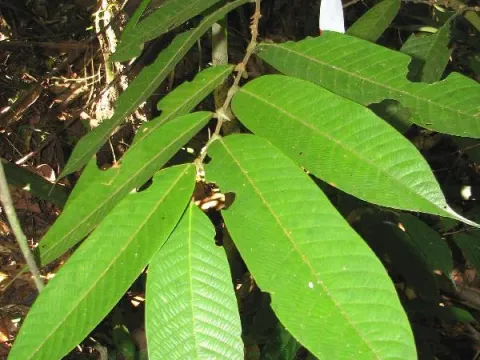
Shorea macrantha
Shorea macrantha
Shorea macrantha is a majestic evergreen tree belonging to the Dipterocarpaceae family. It is a quintessential species of the primary tropical rainforests located in Southeast Asia.
What the section contains
Shorea macrantha
The cultivation of this species requires a humid equatorial climate. Consistent annual temperatures and high levels of rainfall are essential to support its complex life cycle and rapid biomass accumulation.
Soil requirements include deep, well-draining substrates rich in organic matter. While the tree is robust, it is highly sensitive to waterlogged conditions that can lead to root rot and diminished vigor.
In its natural habitat, the tree typically occupies the canopy layer, thriving in high light intensity once it establishes itself above the understory competition.
Botanically, Shorea macrantha is characterized by its massive structural form and winged fruits, which are an evolutionary adaptation for wind-assisted seed dispersal across the rainforest canopy.
The primary economic value of Shorea macrantha lies in its timber, which is highly sought after in international markets as a variety of meranti wood.
The wood is appreciated for its fine texture, excellent workability, and durability. It serves as a premium raw material for high-quality furniture, interior joinery, and heavy construction.
Timber yield is heavily dependent on sustainable forestry management practices. Given the tree's slow growth rate, long-term rotation cycles are necessary to ensure a continuous and legal supply.
Beyond timber, certain species within the genus are valued for their resins, which have been historically utilized in local medicine and specialized industrial applications.
Responsible harvesting practices are critical to ensuring that the extraction of this resource does not lead to the collapse of local biodiversity or soil health.
Deforestation and the conversion of tropical forest land into agricultural estates, such as palm oil plantations, represent the most severe existential threats to the species.
Biological threats include various wood-boring insects, known as borers, which can infest living trees and compromise the structural integrity and aesthetic value of the harvested logs.
Fungal pathogens pose a constant risk, particularly in areas where forest edges are exposed to higher wind speeds or altered moisture levels, making trees more prone to decay.
Environmental stress caused by climate change, specifically prolonged droughts, reduces the tree's ability to produce natural defenses, leading to increased mortality rates in vulnerable populations.
Illegal logging remains a persistent issue, further fragmenting natural habitats and disrupting the natural regeneration cycle required for the long-term survival of Shorea macrantha.