
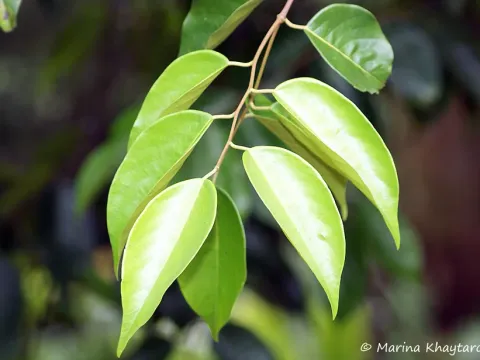
Hopea cernua
Hopea cernua
Hopea cernua is a tropical tree species belonging to the Dipterocarpaceae family. It is a large evergreen tree native to the tropical rainforests of Borneo, recognized for its significant role in the local forest canopy structure.
What the section contains
Hopea cernua
The species requires a stable tropical climate characterized by high humidity and consistent rainfall throughout the year. It lacks a dormant period, making it highly sensitive to dry spells and water deficits in the environment.
Regarding soil requirements, this tree thrives in well-drained, nutrient-rich soils common in lowland and hill dipterocarp forests. Proper soil drainage is essential, as the species does not tolerate stagnant water or waterlogged conditions.
Light management is crucial for the development of Hopea cernua. In its early stages of growth, it acts as a shade-tolerant species, gradually requiring more sunlight as it reaches the upper layers of the forest ecosystem.
Cultivation practices focus on maintaining forest microclimate conditions. As an essential part of its habitat, preserving the surrounding vegetation is necessary to protect young seedlings from excessive heat and wind exposure.
The primary economic use of Hopea cernua is the extraction of high-quality timber. Its wood is highly valued in construction and furniture making due to its density, structural strength, and natural resistance to decay.
Timber yield is characterized by long production cycles. Because of the tree's slow growth rate, harvesting is typically integrated into sustainable forest management plans that prioritize long-term ecological balance over immediate gain.
Beyond wood production, the species may be valued for its resin, which has historical and localized industrial applications. Resin collection is performed using traditional methods that ensure the long-term health of the trees.
The yield of forest products from Hopea cernua is strictly regulated to prevent the depletion of natural populations. Conservation efforts are currently central to any management strategy involving this species.
Sustainable yield planning involves periodic assessments of forest growth rates and tree health. This ensures that the timber harvested from managed plantations meets global quality standards while protecting the species' genetic diversity.