
Hopea cordifolia
Hopea cordifolia
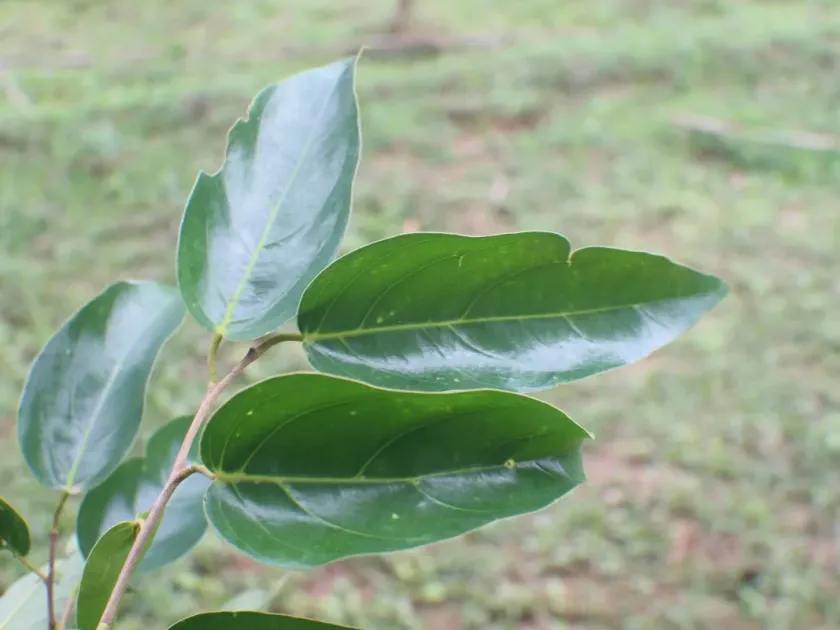
Description
Growing requirements
Hopea cordifolia is a significant tree species belonging to the Dipterocarpaceae family, native to the rainforest ecosystems of Sri Lanka. It is a large, evergreen hardwood tree known for its specific ecological niche within the primary tropical canopy.
The cultivation of this species requires a strictly tropical environment characterized by high annual rainfall and consistent, warm temperatures. It is highly sensitive to cold, which restricts its viable cultivation area to specific tropical latitudes.
Ideal soil conditions for Hopea cordifolia involve deep, well-drained, and nutrient-rich soils that mimic the natural forest floor. The species shows a strong preference for slightly acidic substrates and is highly intolerant of waterlogging despite its tropical nature.
Agronomic management relies on maintaining a high level of air humidity and protected conditions for saplings. Providing a controlled shaded environment during the early stages of growth is essential to ensure long-term vigor and structural development of the tree.
Economically, the species is highly valued for its durable and high-quality timber, used in heavy construction and fine woodworking. Additionally, it serves as a critical component in environmental restoration efforts to maintain the forest cover in its native range.
Main diseases and pests
The most pressing threat to Hopea cordifolia remains habitat loss due to deforestation and land conversion. Protecting the remaining natural stands is vital for the conservation of this specific botanical resource.
Pathogenic threats include various wood-boring insects and root-infecting fungi that thrive in humid tropical conditions. Implementing integrated pest management is necessary to maintain the health of plantations and prevent significant loss of yield.
Climatic variability, specifically shifts in seasonal monsoon cycles, poses a risk to the natural regeneration of the species. Periods of prolonged drought can lead to increased vulnerability to secondary infections and systemic physiological stress.
Competition from fast-growing invasive flora often creates significant challenges for young seedlings in reforestation areas. Systematic weeding and vegetation control are essential components of successful stand management.
Herbivore grazing, especially during the early establishment phase, can severely hinder the growth trajectory of young trees. Protective measures, such as fencing or individual tree guards, are often required to ensure successful reforestation outcomes.