
Hopea coriacea
Hopea coriacea
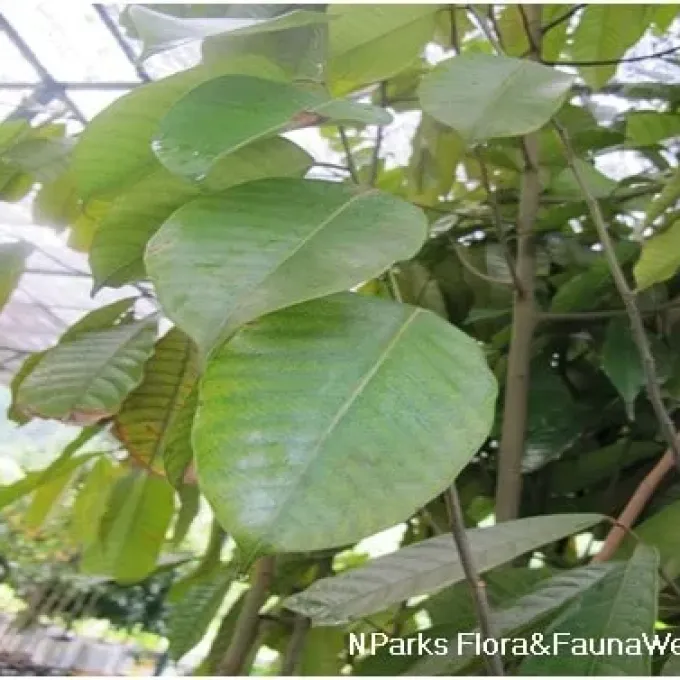
Description
Growing requirements
Hopea coriacea is a significant tree species belonging to the Dipterocarpaceae family, native to the tropical rainforests of Southeast Asia, particularly Borneo. It is highly valued for its durable wood and its role in maintaining tropical forest ecosystems.
The species thrives in a perhumid tropical climate characterized by high annual rainfall and consistent warm temperatures. It prefers deep, well-draining soils rich in organic matter, typically found in alluvial plains or low-lying hill forests.
Botanically, Hopea coriacea is recognized by its leathery, thick leaves that are an adaptation to tropical conditions. The tree exhibits a slow to moderate growth rate, investing heavily in structural density, which is a hallmark of the Dipterocarp group.
In terms of silviculture, the plant requires specific management regarding canopy light penetration. Seedlings generally demand nursery shade, while saplings and mature trees eventually transition to require more direct sunlight to sustain their photosynthetic needs.
Economically, the species is exploited for its high-quality timber, which is robust, resistant to physical wear, and durable against fungal decay. This makes it a preferred material for heavy construction, high-end carpentry, and outdoor structures.
Main diseases and pests
The primary threat to Hopea coriacea is habitat loss due to the conversion of native forests into monoculture plantations. This degradation severely restricts the natural regeneration capabilities of the remaining wild populations.
From a pathological perspective, young trees in plantation settings are susceptible to various fungal pathogens, especially in environments with poor air circulation or waterlogged soil, which leads to root system compromise.
Pests, particularly wood-boring beetles, pose a major challenge in forest management. These organisms can penetrate the bark of mature trees, causing damage to the inner wood layers and significantly lowering the market value of the harvested timber.
Environmental stress, such as prolonged drought periods associated with irregular weather patterns, hampers the tree's immune system. This increased stress makes them more susceptible to opportunistic diseases that can decimate plantation stands.
Effective management strategies involve regular health inspections of forest blocks and the implementation of buffer zones. Promoting mixed-species planting can also help dilute the spread of specific pests and diseases within the plantation ecosystem.