
Hopea beccariana
Hopea beccariana
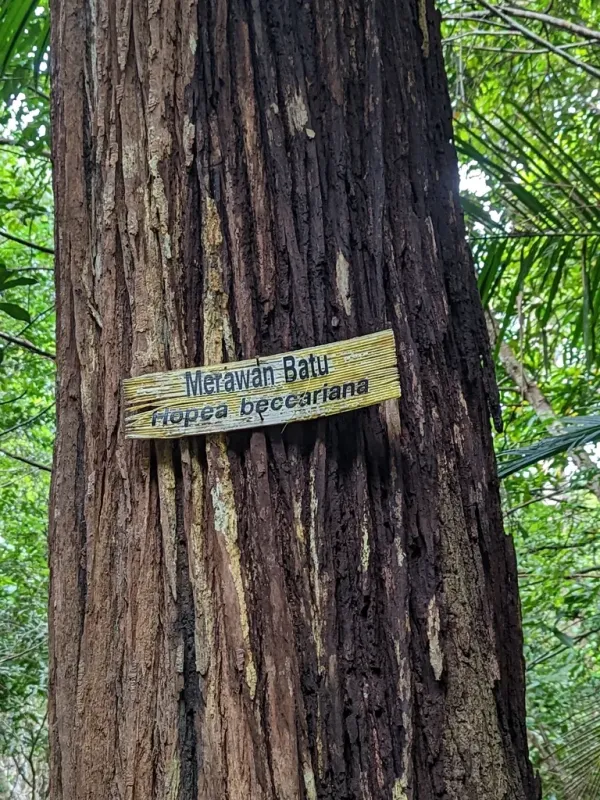
Description
Growing requirements
Hopea beccariana is a prominent species within the Dipterocarpaceae family, native to the tropical rainforests of Southeast Asia. This species is primarily found in the lowland forests of Malaysia, Indonesia, and Brunei, where it thrives in humid conditions.
The tree prefers deep, well-drained, and nutrient-rich soils that support its massive root system. It is characteristic of the forest canopy, requiring stable tropical temperatures and high annual rainfall to maintain its growth cycles.
Cultivation of Hopea beccariana requires meticulous attention to its micro-environment. The species is highly sensitive to soil compaction and dehydration, making undisturbed forest environments the most suitable habitat for its long-term health.
For silvicultural purposes, shade management during the early stages of development is essential. As a climax forest species, it transitions from a shade-tolerant sapling to a sun-loving mature tree in the upper canopy.
The species requires protection from environmental stressors, including wind damage and prolonged dry spells. Maintaining high atmospheric humidity is crucial for ensuring the vitality of both young and mature tree populations.
Yield
The economic importance of Hopea beccariana lies in its high-quality timber, often marketed as a premium hardwood. The wood is prized for its density, strength, and remarkable resistance to natural decay and termite infestation.
Timber yield is measured over extended harvesting cycles, typically spanning several decades. The wood is extensively used for high-end furniture, fine cabinetry, flooring, and durable construction elements exposed to outdoor conditions.
The wood grain and color variations make it a highly desirable commodity in international markets. Proper processing and seasoning are required to maximize the durability and aesthetic potential of the harvested lumber.
Sustainable forestry practices are employed to manage the yield, focusing on selective harvesting rather than clear-cutting. This approach preserves the biodiversity of the surrounding forest while ensuring a recurring supply of timber.
Although secondary products such as resins exist, they are secondary to the primary commercial value of the timber. Effective forest management balances current economic demands with the necessity of preserving long-term productive capacity.
Main diseases and pests
The most significant threat to Hopea beccariana is the conversion of natural forest land into industrial oil palm plantations. Habitat fragmentation drastically reduces the regenerative capacity of the species.
Pests and pathogens pose localized risks, especially in plantation settings where genetic diversity might be low. Monitoring for insect borers and fungal rot in the roots is standard practice to prevent major outbreaks in the forest blocks.
Climate change poses a rising threat due to unpredictable rainfall patterns. Since this tree is adapted to a stable, humid climate, prolonged droughts can leave the trees vulnerable to secondary infections and stunted growth.
Illegal logging remains a persistent issue, leading to the depletion of mature seed-bearing trees. This reduces the ability of the population to naturally regenerate, making active conservation efforts and strict regulation necessary.
Protecting existing stands and establishing protected areas are critical for the survival of Hopea beccariana. Long-term strategies must prioritize forest connectivity and community involvement in conservation to ensure the species persists in the wild.