
Hopea dryobalanoides
Hopea dryobalanoides
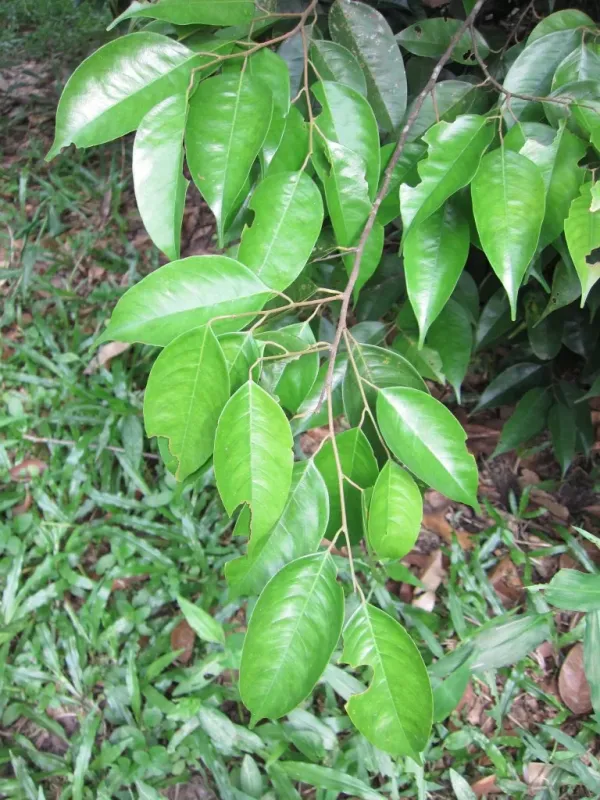
Description
Growing requirements
Hopea dryobalanoides is a notable species within the Dipterocarpaceae family, native to the tropical rainforests of Southeast Asia. It is a large, evergreen tree that plays a significant role in the structure and biodiversity of its ecosystem.
The climate requirements for this species are strictly tropical, characterized by high temperatures and consistent rainfall throughout the year. It thrives best in regions where there is no significant dry season, ensuring constant hydration for the massive canopy.
Soil quality is paramount for the healthy growth of Hopea dryobalanoides. It prefers deep, well-draining mineral soils that are rich in organic matter. Proper drainage is essential, as the species does not tolerate waterlogging around its root system.
Agricultural and forestry management techniques emphasize the protection of seedlings, which require partial shade during their early growth stages. As the trees mature, they become better adapted to full light conditions, continuing their slow but steady growth.
The wood harvested from Hopea dryobalanoides is highly valued in the global timber industry. Due to its dense nature, strength, and resistance to natural decay, it is widely used in high-end construction, boat building, and furniture manufacturing.
Main diseases and pests
Habitat loss due to large-scale deforestation remains the most critical threat to the survival of Hopea dryobalanoides. The fragmentation of tropical forests disrupts the natural pollination and seed dispersal processes required for species regeneration.
Fungal pathogens represent a significant risk, particularly in high-density plantations where airflow is restricted. These pathogens can cause root rot or stem lesions if the environmental conditions become excessively damp and poorly managed.
Various wood-boring insects act as pests for older specimens, causing structural damage that reduces the economic value of the timber. Integrated pest management, including regular tree inspection and sanitation, is vital to mitigate these losses.
Climatic instability, leading to prolonged drought or erratic temperature shifts, can significantly weaken the trees, making them susceptible to secondary infections and opportunistic pests that flourish under stress.
Sustainable conservation measures must be prioritized to protect the remaining populations. Effective forestry management relies on scientific monitoring to ensure that the ecological requirements are met to maintain the health of the stands.