
Hopea discolor
Hopea discolor
Description
Growing requirements
Hopea discolor is a distinguished member of the Dipterocarpaceae family, naturally occurring in the tropical rainforests of Southeast Asia, particularly within the Philippine archipelago. This species thrives in pristine, humid forest environments that provide a stable thermal regime.
The tree demands rich, well-draining soils to accommodate its extensive root system. In its native habitat, it benefits from high annual rainfall, which is essential for the tree's growth cycles and for maintaining the moisture levels required for its dense wood formation.
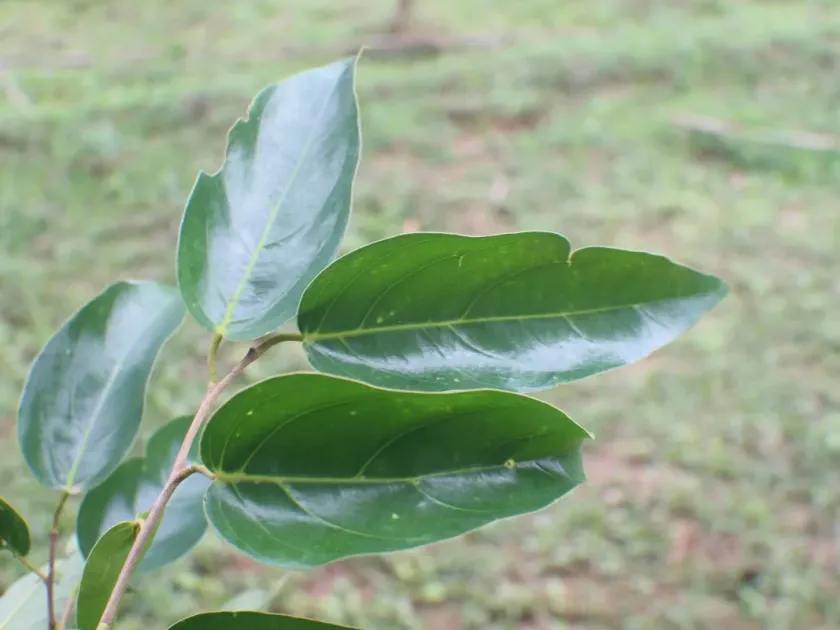
Botanically, Hopea discolor is characterized by its exceptionally dense and durable heartwood, which is a hallmark of the Dipterocarp family. The leaves are typically coriaceous, allowing the tree to optimize photosynthetic activity while mitigating water loss under the tropical sun.
Cultivation practices for this species are long-term, as the tree exhibits a slow growth rate, requiring decades to reach maturity. Conservation-oriented forestry is crucial for this species, as it represents a significant botanical resource within its native ecosystems.
The primary utility of the tree is in high-grade timber production. The wood is sought after for heavy construction, premium flooring, and fine joinery due to its resistance to decay and physical strength, making it a valuable asset in the timber trade.
Main diseases and pests
The most significant threat to Hopea discolor is the ongoing loss of tropical forest habitat. Due to its slow growth, the species is particularly vulnerable to over-harvesting, which often outpaces the natural regeneration rates within its native ranges.
Biological threats include various fungal pathogens that thrive in high-humidity environments, potentially affecting the saplings. Furthermore, specialized insect populations can cause significant damage to the canopy and foliage if the local ecological balance is disrupted by external pressures.