
Hopea apiculata
Hopea apiculata
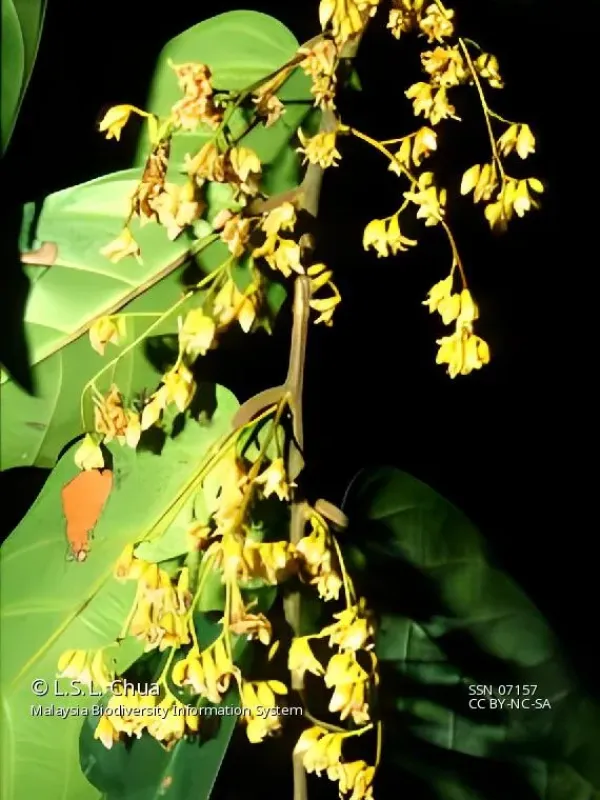
Description
Growing requirements
Hopea apiculata is a notable species within the Dipterocarpaceae family. This tropical tree is native to the rainforests of Southeast Asia, where it plays a significant role in the structure and diversity of the local ecosystem.
The tree thrives in tropical climates characterized by high temperatures and consistent rainfall throughout the year. It does not tolerate prolonged dry spells and requires a stable environment to reach its maximum height and diameter.
Soil requirements for Hopea apiculata include well-drained, nutrient-rich substrates. While it can adapt to various tropical soil types, it performs best in deep soils with high organic matter content and excellent drainage to avoid waterlogging.
In terms of forest management, this species is considered a valuable resource for high-quality timber. Its wood is known for its density, hardness, and durability, making it suitable for heavy construction and high-grade carpentry.
Cultivation of this species requires careful site selection. Although mature trees are quite resilient, seedlings are sensitive to exposure and competition from faster-growing invasive species, requiring active management in the early stages.
Main diseases and pests
One of the primary threats to Hopea apiculata is habitat loss due to deforestation. As a slow-growing hardwood, it faces significant pressure from land conversion for agriculture and infrastructure development.
Fungal root diseases are a major concern in nurseries and young plantations, particularly when soil moisture management is inadequate. Preventive measures include ensuring proper aeration and avoiding monoculture practices that can exacerbate pest outbreaks.
Insect pests, such as stem borers, can impact the timber quality of standing trees. Periodic monitoring and the maintenance of forest health through silvicultural interventions are necessary to minimize these economic and biological losses.
Wildfires pose an extreme risk, especially in regions experiencing seasonal climate fluctuations. Fires not only destroy mature timber but also eliminate the seed bank, which is vital for the natural regeneration of the species.
Lack of specific genetic diversity within managed stands can also make the population more susceptible to shifting climate patterns and evolving pathogen strains, highlighting the need for responsible and diverse planting strategies.