
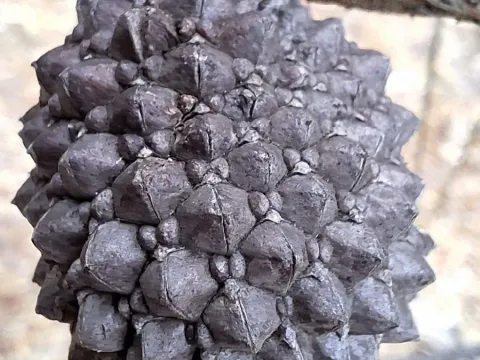
Allocasuarina verticillata
Allocasuarina verticillata
Propagation of Allocasuarina verticillata is primarily conducted through seeds in specialized nursery conditions. The seeds should be sown in spring when the soil temperature promotes optimal germination.
What the section contains
Allocasuarina verticillata
Use a well-drained, sandy-based substrate for sowing to prevent seed rotting. The seeds should be lightly covered with the substrate and kept consistently moist but never waterlogged during the initial growth phase.
Sterilization of the soil mix is recommended to protect delicate seedlings from fungal infections. Germination typically occurs within a few weeks, provided the environment is stable.
Vegetative propagation via cuttings is possible, although it requires precise humidity control and rooting hormones to be successful. This method is preferred when maintaining specific traits is necessary.
Seedlings should be hardened off in containers for one to two years before being transplanted to their permanent outdoor location. This ensures the plant is robust enough to handle environmental stressors.
Allocasuarina verticillata belongs to the Casuarinaceae family and is native to Australia. It is known for being a hardy, evergreen tree that thrives in various environments, including harsh coastal conditions.
The species prefers well-drained soils, including sandy or rocky terrains, and has a remarkable ability to grow in nutrient-poor conditions. Full sun exposure is essential for maintaining healthy growth.
It is exceptionally drought-tolerant once established, making it a sustainable choice for reforestation in arid zones. The tree is also resistant to salt spray and high soil salinity, which is rare for many timber species.
A notable botanical feature is its symbiotic relationship with nitrogen-fixing bacteria (Frankia). This allows the tree to enrich the soil with nitrogen, benefiting the surrounding ecosystem.
The tree can withstand strong coastal winds without structural damage. These traits make it an ideal candidate for windbreaks and shelterbelts in agricultural landscape design.
The agricultural and economic value of Allocasuarina verticillata lies in its high-quality, dense timber. Often referred to as "she-oak," its wood is highly prized for furniture, woodturning, and musical instruments.
In addition to timber, the tree provides significant environmental services. Its role in soil erosion control is particularly valuable for stabilizing slopes and protecting vulnerable agricultural lands.
By creating shelterbelts, the tree improves microclimatic conditions for crops and livestock, leading to increased overall farm productivity. It serves as a biological barrier against harsh winds.
The biomass generated from periodic thinning can be utilized as a high-calorific fuel source. The density of the wood ensures a long-lasting burn, making it efficient for energy production.
Strategic planting of this species contributes to long-term soil health through nitrogen fixation. This creates a legacy of fertile land for subsequent agricultural cycles.
The most significant threat to the health of Allocasuarina verticillata is root rot, typically caused by poor soil drainage. Maintaining good drainage is the most effective way to prevent this issue.
While generally hardy, the trees can be susceptible to wood-boring insects if they are severely stressed by prolonged drought or poor site selection. Regular inspection of the trunk is advised.
Fungal diseases affecting the foliage can occur in areas with stagnant, humid air. Proper spacing between trees ensures adequate ventilation and significantly reduces the risk of such infections.
Biosecurity is essential when introducing new stock to avoid bringing in root pathogens. Always source plants from certified nurseries to ensure they are free from soil-borne diseases.
Chemical intervention is rarely required if basic cultural practices are followed. Prioritizing site preparation and proper watering regimes is key to keeping the trees healthy and productive.