
Swamp oak
Casuarina obesa
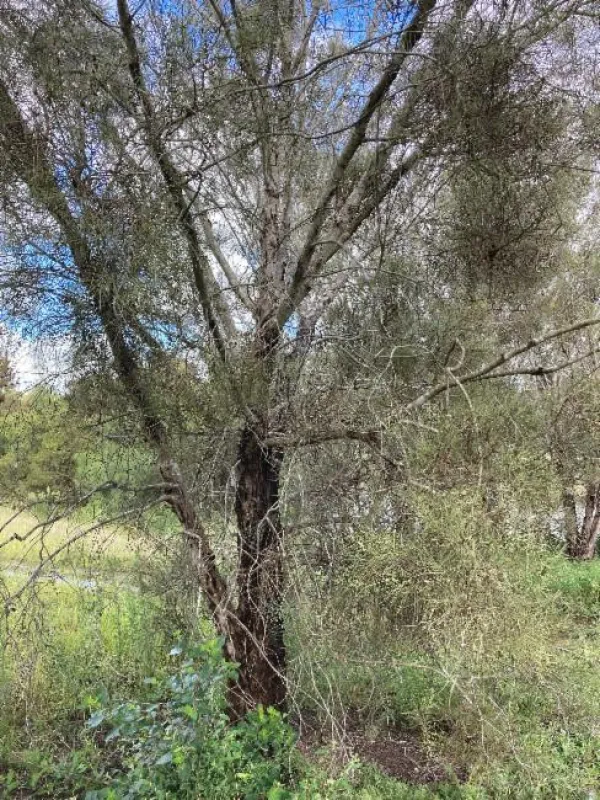
Description
Growing requirements
Swamp oak (Casuarina obesa) is a hardy evergreen tree belonging to the Casuarinaceae family, native to the coastal regions of Western Australia. It is highly regarded in agronomy for its exceptional tolerance to saline soils and periodic waterlogging.
This species is biologically unique due to its ability to fix atmospheric nitrogen through a symbiotic relationship with Frankia bacteria. This trait allows it to thrive in extremely nutrient-poor, sandy, or degraded soils where most other crops fail to establish.
The tree prefers sunny locations and is incredibly drought-tolerant once established. Its root system is deep and expansive, which provides stability to the soil, making it an excellent candidate for erosion control in coastal agricultural zones.
Economically, Casuarina obesa is utilized for windbreaks, timber production, and as a high-quality biomass fuel. Its dense wood is highly durable, making it suitable for fence posts and construction materials in rural areas.
As a key species for land reclamation, swamp oak plays a vital role in phytoremediation by absorbing excess salts from the soil profile. This process assists in rehabilitating previously abandoned agricultural land for future cultivation.
Main diseases and pests
The main pathological threat to swamp oak is root rot caused by Phytophthora species, which often develops in areas with poor drainage and excessive soil moisture.
Insect pests, such as longicorn beetles, can infest the woody tissue of young trees, potentially causing structural damage if the plantation is not managed correctly.
Cultural management is the primary defense, emphasizing proper site selection and ensuring that the water table does not remain at extreme levels for prolonged periods.
Sanitary pruning should be practiced to remove any dead or infected biomass, preventing the spread of fungal pathogens throughout the grove.
Monitoring for signs of wood-boring insects is essential during the early stages of growth to ensure the long-term viability and productivity of the plantation.