
Allocasuarina inophloia
Allocasuarina inophloia
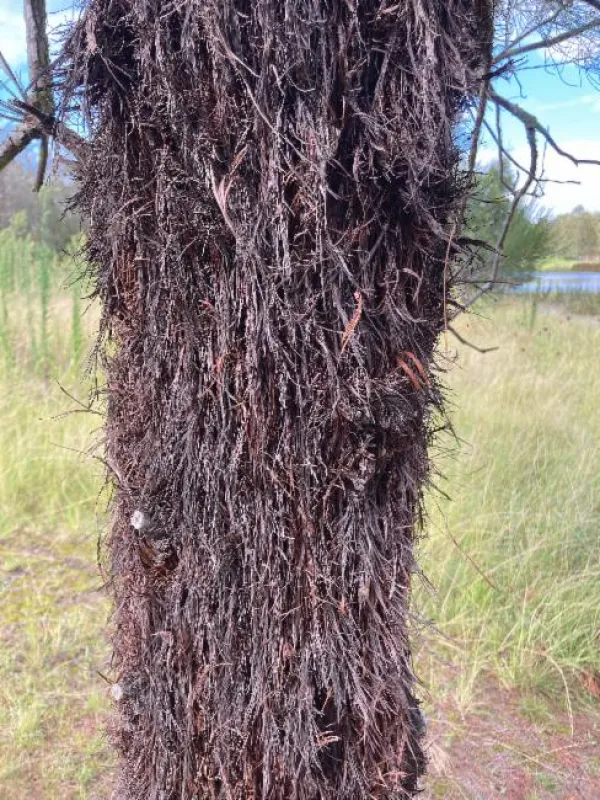
Description
Sowing dates
Sowing seeds of Allocasuarina inophloia should be performed in a nursery setting during early spring to allow for a long growing season before the cold weather sets in.
The seeds should be sown in a well-draining, lightweight potting medium, specifically formulated to prevent waterlogging during the delicate germination phase.
It is recommended to maintain a consistent temperature between 22–26°C, which significantly improves the germination rate of the seeds.
Seedlings should be kept under moderate light conditions initially, slowly transitioning to full sun exposure as they establish their root systems.
Regular monitoring of soil moisture is essential; the medium should be kept damp but never waterlogged to ensure the health of the young rootstocks.
Growing requirements
Allocasuarina inophloia belongs to the Casuarinaceae family and is native to the woodlands of Queensland and New South Wales, Australia.
This species thrives in well-drained, sandy, or rocky soils, demonstrating a high tolerance for nutrient-poor and acidic soil conditions.
The tree requires full sun exposure to flourish and maintain its structural integrity; shade can lead to stunted growth and susceptibility to diseases.
Allocasuarina species are well-known for their symbiotic relationship with Frankia bacteria, which allows them to fix atmospheric nitrogen in their roots.
The climate requirements include warm to temperate conditions, as the species is sensitive to severe, prolonged frosts during its juvenile growth stage.
Yield
The economic value of this culture is primarily centered on the production of exceptionally hard and durable wood for high-quality carpentry projects.
It is also a premier source for the production of dense firewood and high-grade charcoal, which is valued for its clean and prolonged burning characteristics.
In forestry applications, Allocasuarina inophloia is planted as a windbreak, protecting surrounding crops and soil from harsh environmental exposure.
The unique, needle-like foliage provides a significant amount of organic matter to the soil, aiding in natural nutrient cycling within the forest floor.
Sustainable harvesting of secondary branches can provide a continuous supply of biomass without compromising the health of the main tree structure.
Main diseases and pests
Root rot, primarily caused by Phytophthora species, poses the most significant threat to plants growing in waterlogged or poorly drained soil conditions.
Boring insects can infiltrate the trunks of mature trees, leading to structural damage and a reduction in the marketability of the harvested timber.
Proper spacing between trees is crucial to promote airflow, which naturally reduces the risk of fungal infections within the dense branch canopy.
Regular pruning of dead or diseased branches helps to prevent the spread of pathogens throughout a plantation or garden setting.
Monitoring the soil health and pH levels can help in early detection of stress, allowing for corrective actions before significant damage occurs.