
Casuarina cristata
Casuarina cristata
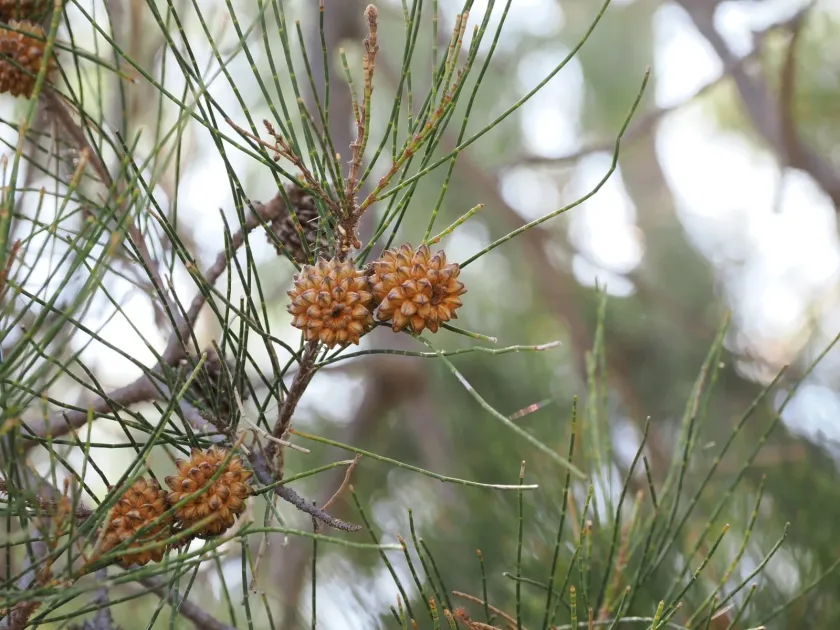
Description
Growing requirements
Casuarina cristata, commonly known as belah, is an evergreen tree species belonging to the Casuarinaceae family. It is recognized for its needle-like branchlets and its vital ecological role in fixing atmospheric nitrogen through a symbiotic relationship with Frankia bacteria.
Originating from the semi-arid regions of eastern Australia, this species is exceptionally well-adapted to harsh environments. Its distribution range focuses on regions where water conservation and soil stabilization are prioritized for sustainable land management.
The species thrives in full sun and requires well-drained soil to achieve optimal growth. While it is naturally found in heavy clays, it is highly valued for its tolerance to saline conditions, making it an ideal candidate for reclaiming degraded and salt-affected agricultural lands.
Agrotechnical practices involve careful site selection to ensure adequate sunlight exposure. Although mature trees are extremely drought-tolerant, supplemental irrigation during the establishment phase is recommended to ensure deep root development and long-term survival.
Economically, Casuarina cristata is utilized for its extremely hard and durable timber, often used in rural construction and fence posts. Beyond wood production, it serves as a critical windbreak and soil stabilizer in agroforestry systems, protecting crops from wind erosion.
Main diseases and pests
Wood-boring insects, particularly cerambycid beetles, represent the primary threat to the health of Casuarina cristata plantations. These pests target stressed trees, necessitating prompt removal of infested wood to prevent wider outbreaks.
Root rot pathogens, such as Phytophthora species, may affect trees in poorly drained or waterlogged soils. Ensuring good site drainage and maintaining appropriate tree spacing are the most effective management strategies against these diseases.
Parasitic plants, especially mistletoe species, frequently infect the canopy, drawing resources from the host tree. Regular canopy inspections and manual removal are essential for maintaining the vigor of the stand.
Defoliating insects can occasionally reach population levels that impact growth rates in younger trees. Integrated pest management, focusing on biological controls, is usually sufficient to mitigate these risks in sustainable plantations.
Biosecurity measures, including the strict monitoring of imported seed lots, are crucial for preventing the introduction of non-native pathogens that could jeopardize local Casuarina populations.