
Casuarina grandis
Casuarina grandis
Description
Growing requirements
Casuarina grandis is a prominent member of the Casuarinaceae family, widely recognized for its robust growth and ecological versatility. This species is native to regions of Papua New Guinea, where it thrives in diverse tropical environments, often colonizing degraded terrains.
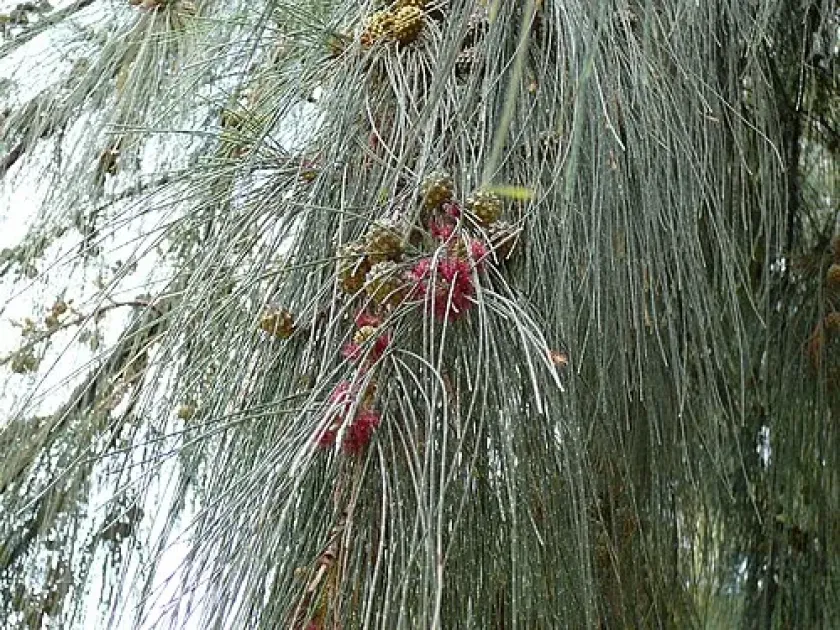
The tree exhibits unique botanical characteristics, including specialized photosynthetic branchlets that resemble pine needles. These structures are evolutionary adaptations that allow the tree to minimize water loss, making it highly drought-tolerant compared to other broad-leaved forest species.
A critical agronomic advantage of this culture is its ability to perform nitrogen fixation through a symbiotic relationship with Frankia bacteria. This trait allows Casuarina grandis to flourish in nutrient-poor soils, acting as a pioneer species for reforestation efforts.
Regarding soil requirements, the species prefers well-drained, porous ground. While it is highly adaptable, consistent waterlogging is detrimental to its root system, often leading to decline. Therefore, site selection is crucial for commercial plantation success.
In terms of usage, the timber is prized for its extreme density and durability. It is commonly utilized for high-quality charcoal production, heavy construction, and the manufacturing of traditional implements. The wood's structural integrity makes it a staple resource in many tropical agroforestry systems.
Main diseases and pests
The primary biological threats to Casuarina grandis include various fungal pathogens that target the root system in poorly drained soils. Over-irrigation frequently exacerbates these conditions, leading to root rot and long-term stunted growth.
Insect pests, particularly wood-boring beetles, represent a significant concern for established plantations. These insects damage the bark and underlying cambium, which can weaken the tree's structural stability and invite secondary bacterial or fungal infections.
Defoliating insects can occasionally cause outbreaks that reduce the overall photosynthetic capacity of the trees. While mature trees often withstand these events, juvenile plantings require careful monitoring to ensure they do not succumb to heavy defoliation.
Sustainable management practices, such as maintaining proper spacing and avoiding mechanical injury to the trunks, are essential for preventing infection. Good air circulation between trees is a natural deterrent to many fungal diseases.
Integrated pest management strategies focusing on promoting beneficial predatory species are recommended over chemical controls. Preserving the soil health is paramount, as it directly supports the nitrogen-fixing nodules that sustain the tree's vigorous health.