
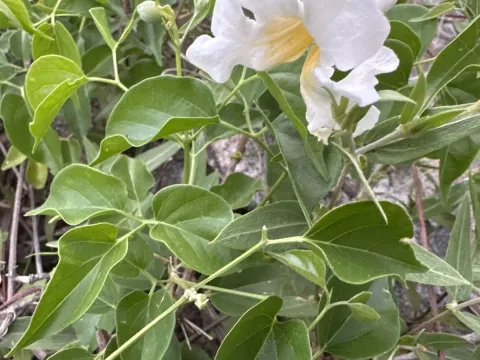
Amphilophium
Amphilophium
Amphilophium is a genus of woody perennial vines belonging to the Bignoniaceae family. These plants are characterized by their strong, tendril-bearing stems, which allow them to climb rapidly and cover large areas of vegetation or support structures in their native environment.
What the section contains


Amphilophium
The native distribution of this genus spans tropical and subtropical regions of the Americas. Amphilophium species are typically found in moist forest environments where they utilize their climbing mechanisms to access sunlight in the canopy layer.
Regarding soil requirements, the culture thrives in fertile, well-drained loamy or sandy substrates. It is essential to ensure that the soil remains nutrient-rich and that the pH level is balanced, as this promotes vigorous growth and leaf development.
The climate must be consistently warm, as the genus lacks high frost tolerance. In non-tropical regions, Amphilophium is generally managed as a greenhouse crop or a conservatory plant, requiring protection from cold drafts and freezing temperatures.
Agricultural management involves regular irrigation during the growing season and the provision of sturdy trellises. Proper pruning practices are vital to manage the plant's spread and to improve airflow throughout the canopy, which is crucial for preventing humidity-related issues.
Typical pests affecting Amphilophium include scale insects, spider mites, and mealybugs. These organisms can cause significant damage to the foliage and stems if not controlled early through regular inspections and integrated pest management.
Fungal diseases, such as powdery mildew, are common threats, especially in environments with poor ventilation and high humidity. Maintaining proper spacing and air circulation is the most effective cultural method to mitigate these risks.
Root rot is a major physiological threat often resulting from waterlogged soil. Ensuring a proper drainage system is critical for maintaining the health of the root system and preventing long-term decline of the plant.
Biological and chemical control methods can be employed depending on the severity of the infestation. Applying specialized fungicides and insecticides should be done following strict dosage guidelines to avoid phytotoxicity.
Overall plant health is best maintained by balanced nutrient applications and frequent monitoring of environmental conditions. By providing optimal light and temperature, the plant becomes more resilient to potential pathogens and stressors.