
Fridericia chica
Fridericia chica
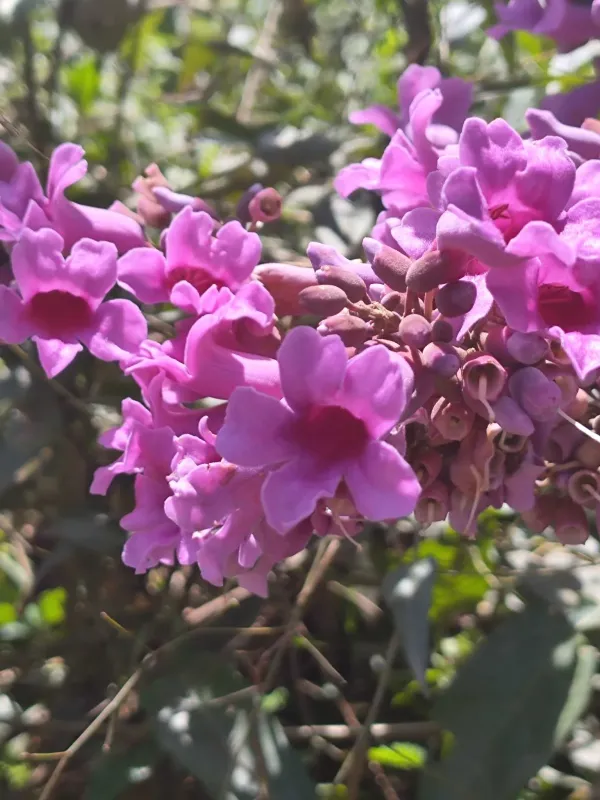
Description
Sowing dates
Commercial propagation of Fridericia chica is primarily carried out through vegetative methods, specifically stem cuttings. This technique ensures the preservation of desirable genetic traits related to the concentration of pigment-producing compounds in the foliage.
The optimal period for cutting propagation is the onset of the rainy season, as high air humidity promotes rapid root development in nurseries. While the plant can reproduce via seeds in the wild, the germination process is significantly slower and less reliable for production.
Cultivation requires light, fertile substrates enriched with organic matter. Providing sufficient space for each vine is essential, as the species exhibits vigorous growth and spreading habits under favorable conditions.
Cuttings should be planted in well-drained soil pits. During the initial months after planting, regular irrigation is crucial to support the establishment of a robust and healthy root system.
Planting density depends on the production goals; for intensive leaf biomass harvesting, farmers follow patterns that maximize light exposure while ensuring adequate airflow between the vines.
Growing requirements
Fridericia chica is a tropical evergreen vine belonging to the Bignoniaceae family. It thrives in the warm, humid climate characteristic of the Amazon and Orinoco river basins.
The crop prefers sunny locations, though young plants can tolerate partial shade. Maintaining stable temperatures without the drastic fluctuations typical of temperate zones is critical for healthy development.
Soils must be well-drained and rich in humus and organic nutrients. The plant is highly sensitive to waterlogging, which can easily trigger root rot and inhibit plant vigor.
A key requirement for successful growth is maintaining high relative humidity. During dry spells, agricultural practice must include consistent irrigation to ensure leaf turgor and pigment production.
As a climbing vine, the plant requires structural supports or host trees to achieve vertical growth. Integrating natural supports allows for the creation of sustainable, multi-layered agroforestry systems.
Main diseases and pests
The primary threats to this crop include fungal infections that proliferate in high-humidity conditions with poor airflow. These pathogens typically target the foliage, significantly affecting the quality of the harvested product.
Typical pests include various leaf-chewing insects and mites that can damage the leaf structure and reduce overall yield. Regular weekly monitoring of the plantation is essential for early detection.
In eco-friendly farming practices, biological control agents and natural insecticides are preferred to manage pests without compromising the chemical integrity of the plant's valuable secondary metabolites.
Adhering to crop rotation protocols and clearing weeds around the base of the vines are effective ways to mitigate the risk of disease spread. Maintaining appropriate spacing further reduces infection pressure.
If disease hotspots are identified, affected plant parts must be promptly removed and disposed of off-site to prevent the dispersal of spores or vectors to healthy plants.
Harvesting
The harvesting of Fridericia chica focuses on the collection of leaves, which are rich in a valuable red pigment known as carajiru. Leaves are typically picked by hand, prioritizing mature, healthy specimens.
The concentration of anthocyanins and other dyes depends on the leaf age; older, fully developed leaves often provide the highest pigment yield. Under intensive management, multiple harvests per year are possible.
Post-harvest, the raw material must undergo careful drying in shaded areas or controlled-temperature drying facilities. This step is vital to stabilize the pigments and prevent microbial degradation.
Once dried, the leaves are processed through grinding or extraction techniques to isolate the dye compounds, which are then utilized in the textile, pharmaceutical, and cosmetic industries.
Effective harvest management extends the productive lifespan of the plant, ensuring a consistent supply of raw material for many years without the need for frequent replanting or soil disturbance.