
Distictis laxiflora
Distictis laxiflora
Description
Growing requirements
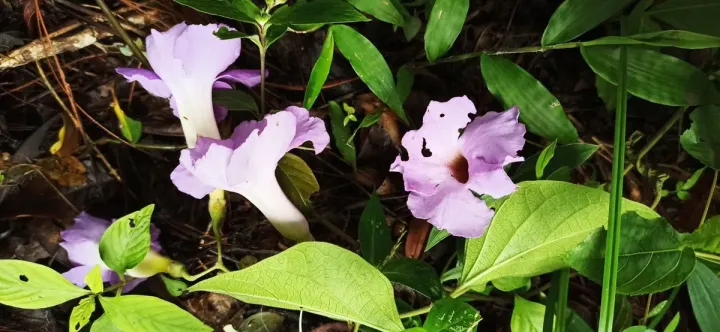
Distictis laxiflora, commonly known as the Vanilla Trumpet Vine, is an evergreen climbing shrub belonging to the Bignoniaceae family. Originating from the tropical regions of Mexico, this woody vine is highly valued in horticulture for its vibrant, trumpet-shaped flowers that bloom in clusters.
The climate requirements for this plant are strictly tropical or subtropical. It thrives in frost-free environments where temperatures remain consistently warm. In regions with cooler winters, gardeners must treat it as a container plant, relocating it to a greenhouse or a sunny indoor space during the colder months.
Regarding soil, Distictis laxiflora demands a well-draining, fertile medium. It performs best in slightly acidic to neutral soil conditions. When planted in containers, it is essential to use a high-quality potting mix enriched with organic matter to support the rapid growth of its long, flexible stems.
Agricultural maintenance involves providing sturdy vertical support, as the plant uses its tendrils to climb. Regular irrigation is necessary during the active growing season, ensuring the root ball remains consistently moist but never waterlogged, as stagnant water is detrimental to the plant's health.
Pruning is a crucial aspect of managing the Vanilla Trumpet Vine. It should be trimmed after the flowering cycle to keep the vine within bounds and to encourage the growth of new, flowering wood. This maintenance practice ensures a dense foliage canopy and better overall plant vigor.
Main diseases and pests
Pest management is vital for the health of Distictis laxiflora. Common threats include aphids, spider mites, and whiteflies, which tend to infest the soft tissue of new shoots. Early detection and the application of horticultural oils or mild systemic insecticides can keep these populations under control.
Fungal issues, such as leaf spot or root rot, may occur if the plant is grown in areas with poor airflow or excessive humidity. To mitigate these risks, it is essential to provide adequate spacing between plants and ensure the soil is not saturated, allowing for proper aeration of the root system.