
Distictis lactiflora
Distictis lactiflora
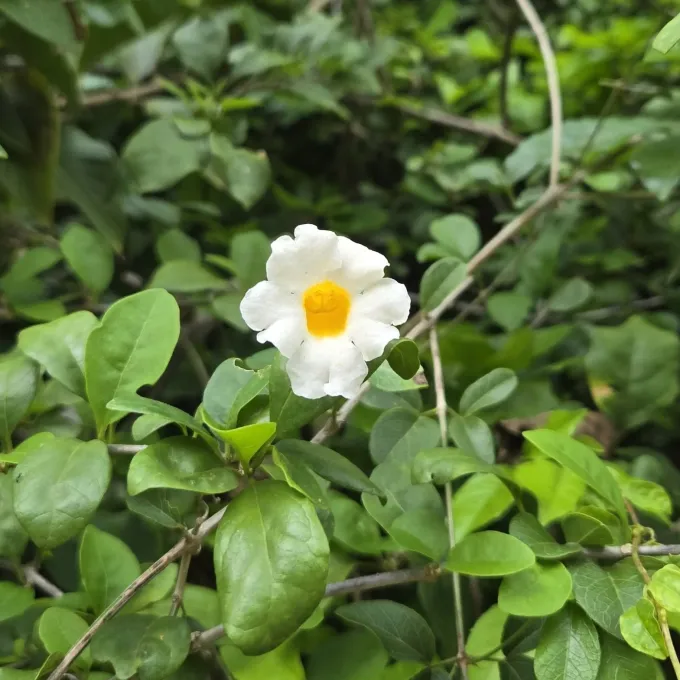
Description
Growing requirements
Distictis lactiflora is a vigorous evergreen woody vine belonging to the Bignoniaceae family. It is native to the tropical regions of Mexico and Central America, where it thrives in warm, humid climates.
The crop prefers locations with bright, indirect sunlight, requiring some shade during the peak heat of the day. As a tropical species, it cannot withstand freezing temperatures and is typically grown in greenhouses or frost-free climates.
The ideal soil for cultivation is loose, well-draining, and rich in organic matter. Maintaining a slightly acidic to neutral pH is crucial for the optimal absorption of nutrients and overall plant vigor.
Cultivation practices necessitate the provision of strong, stable trellises or supports to accommodate the plant's rapid climbing habit. Consistent irrigation is required during the growing season, but waterlogging must be avoided.
The primary use of this crop is ornamental. Because of its fast growth rate and profuse flowering, it is a preferred choice for covering fences, pergolas, and arbors in landscape architecture.
Main diseases and pests
The main agronomic challenges for this crop relate to improper moisture management. Excessive soil moisture often leads to root rot, which is a common fungal threat in poorly drained substrates.
When grown in sheltered environments, the plant is susceptible to spider mites, particularly when air humidity drops. Scale insects and mealybugs can also infest the foliage, reducing the aesthetic quality of the plant.
Effective pest management involves regular visual inspections of the leaves and stems. Biological controls or targeted systemic insecticides are recommended when early intervention is insufficient.
Disease prevention is largely achieved by maintaining good air circulation around the vine. Providing space between plants and avoiding overhead irrigation helps to mitigate the risk of fungal infections.
Sanitary pruning is a critical maintenance practice. Regularly removing dead or diseased sections prevents the spread of pathogens and encourages more robust, healthy vegetative growth.