
Delostoma lobbii
Delostoma lobbii
Description
Growing requirements
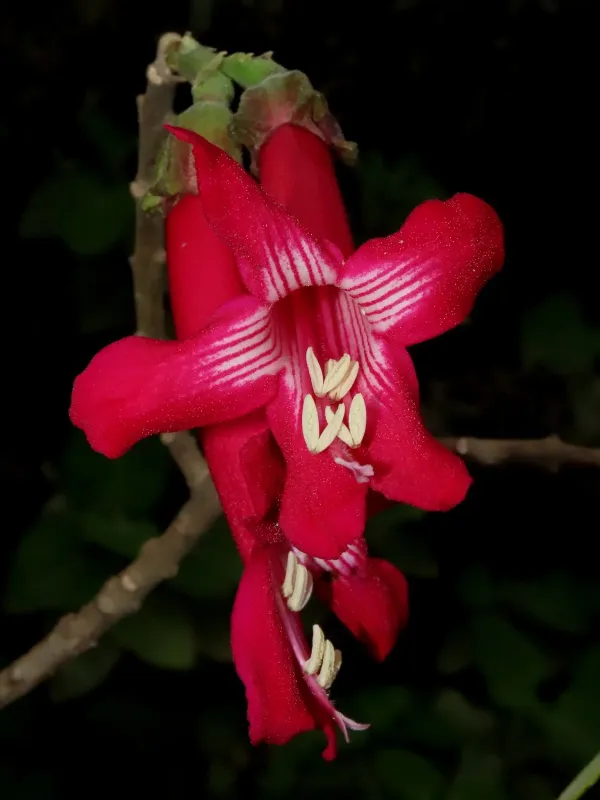
Delostoma lobbii is a notable species within the Bignoniaceae family, native to the high-altitude cloud forests of the Andes. It is recognized for its ornamental potential, featuring lush foliage and vibrant flowers that add significant aesthetic value to botanical collections.
To thrive, the plant requires environmental conditions that mimic its natural habitat. This includes a consistent temperature range, typically avoiding frost or extreme heat, which makes it ideal for conservatory or greenhouse cultivation in temperate zones.
Soil requirements focus on high organic content and excellent drainage. The root system is sensitive to waterlogging, necessitating a substrate that holds moisture without becoming swampy, as constant saturation often leads to root decay.
Light exposure should be carefully managed; while it prefers bright, indirect light, protection from harsh, direct midday sun is essential to prevent leaf scorching and desiccation of the plant's vascular tissues.
Regular maintenance involves light pruning to manage the shape and size of the shrub, alongside balanced fertilization to support the energy-intensive process of blooming in nutrient-rich media.
Main diseases and pests
Common pests affecting Delostoma lobbii in indoor settings include spider mites and mealybugs. These organisms thrive in environments with low humidity, necessitating regular misting and monitoring of leaf undersides.
Fungal pathogens represent a significant threat when air circulation is poor. Conditions such as powdery mildew can quickly spread, particularly in stagnant greenhouse environments with high humidity levels.
Root rot, often caused by overwatering or soil compaction, is a lethal issue. It is critical to ensure that pots have sufficient drainage holes and that the irrigation schedule is strictly adjusted based on the plant's metabolic activity.
Management of these threats is best achieved through integrated pest management (IPM) practices, emphasizing preventative measures like maintaining hygiene and optimal spacing between individual plants.
In cases of severe infestation, targeted application of appropriate systemic insecticides or fungicides may be required, though manual removal of pests is preferred when initial populations are low.