
Clytostoma purpureum
Clytostoma purpureum
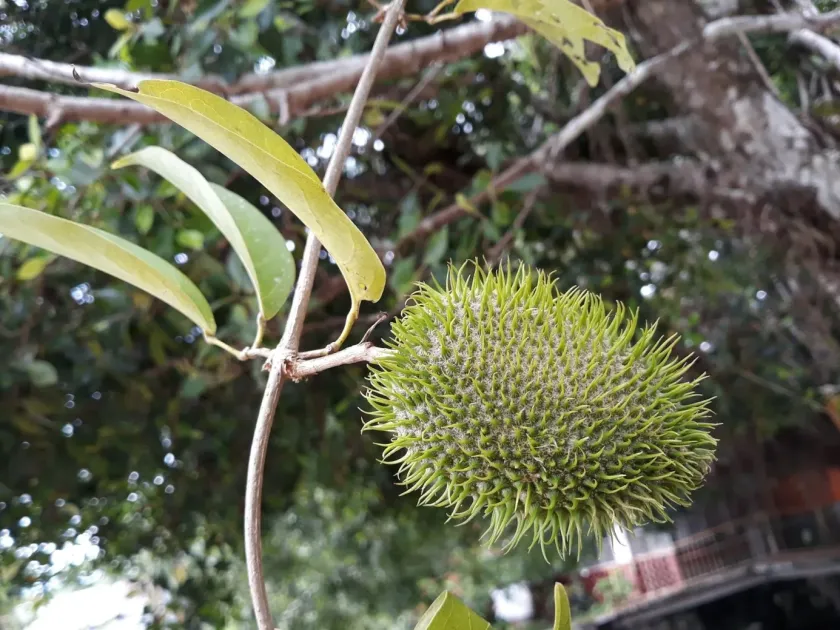
Description
Growing requirements
Clytostoma purpureum is a vigorous evergreen climbing vine belonging to the Bignoniaceae family. Native to South America, it is widely recognized for its beautiful trumpet-shaped, lavender-purple flowers that provide a stunning display throughout the growing season.
Botanically, this species is characterized by its woody stems and tendrils, which allow it to scale walls, fences, and trellises effectively. The foliage consists of glossy, opposite leaves that maintain their decorative appearance year-round in suitable tropical climates.
This plant thrives in full sun to partial shade, requiring warm temperatures to flourish. It is not cold-hardy, making it suitable for outdoor cultivation only in frost-free regions or as a seasonal container plant that must be moved indoors before the onset of cold weather.
When it comes to soil requirements, Clytostoma purpureum prefers rich, well-draining soil with a slightly acidic to neutral pH level. Consistent moisture is essential during the active growing phase, though it is important to prevent waterlogging to avoid root issues.
The primary use of this vine is in landscape architecture, where it is valued for covering large vertical surfaces such as arbors, gazebos, and pergolas. Its dense growth habit and profuse blooming make it an excellent choice for creating private, aesthetic barriers in warm gardens.
Main diseases and pests
Common plant health issues often arise from improper cultivation practices, specifically overwatering, which predisposes the root system to rot. Fungal infections, including leaf spot diseases, can occur if there is insufficient air circulation around the canopy of the plant.
Pest problems are mainly caused by sap-sucking insects like spider mites and scale insects. These pests thrive in dry environments, making it crucial to monitor the vine regularly and maintain optimal humidity levels, especially when the plant is kept in an enclosed area.