
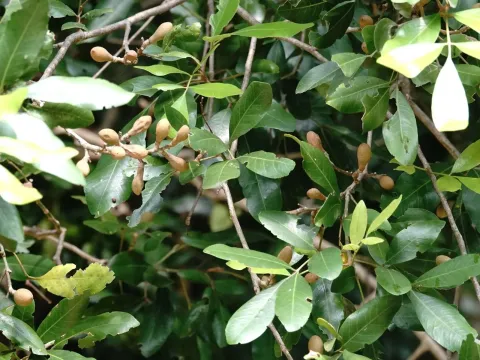
Aglaia elaeagnoidea
Aglaia elaeagnoidea
Aglaia elaeagnoidea is an evergreen tree species belonging to the Meliaceae family. Native to tropical regions across India, Southeast Asia, and Australia, this plant is well-adapted to humid, warm climates where it can reach significant heights.
What the section contains
Aglaia elaeagnoidea
The crop thrives in environments with consistent temperatures and high rainfall. It prefers full sun exposure to maintain its dense foliage, although it can tolerate partial shade during its initial growth phases in a nursery setting.
Regarding soil requirements, the plant demands well-drained, fertile soil. It is particularly sensitive to waterlogged conditions, which can lead to root degradation; therefore, selecting sites with good topography is essential for long-term survival.
Agricultural management involves regular pruning to maintain the desired shape and size, especially when grown as an ornamental hedge or for plantation timber production. Mulching is recommended to retain soil moisture during hotter months.
Aglaia elaeagnoidea is highly valued for its wood, which is known for its durability and strength. Beyond its timber utility, it is frequently used in urban forestry and landscape architecture due to its resilience and aesthetic appeal.
Common plant diseases for this species include powdery mildew, which typically occurs in humid environments with poor air circulation. Improving plant spacing is a primary cultural control method to reduce fungal outbreaks.
Scale insects and spider mites are the most prevalent pests that affect the foliage. Infestations typically result in leaf discoloration and stunted growth if not managed by applying appropriate horticultural oils or systemic insecticides.
Root rot caused by pathogens like Phytophthora can occur in poorly drained soils. Maintaining proper soil health and avoiding over-irrigation are critical management strategies to prevent these soil-borne threats.
In certain regions, defoliating caterpillars can cause significant damage to young saplings. Monitoring programs are essential during the growing season to detect larvae before they cause extensive damage to the tree canopy.
Consistent sanitation, including the removal of dead or infected branches, helps prevent the spread of diseases within an orchard or plantation. Regular monitoring is key to maintaining a healthy population of this valuable tropical tree.