
Aglaia apiocarpa
Aglaia apiocarpa
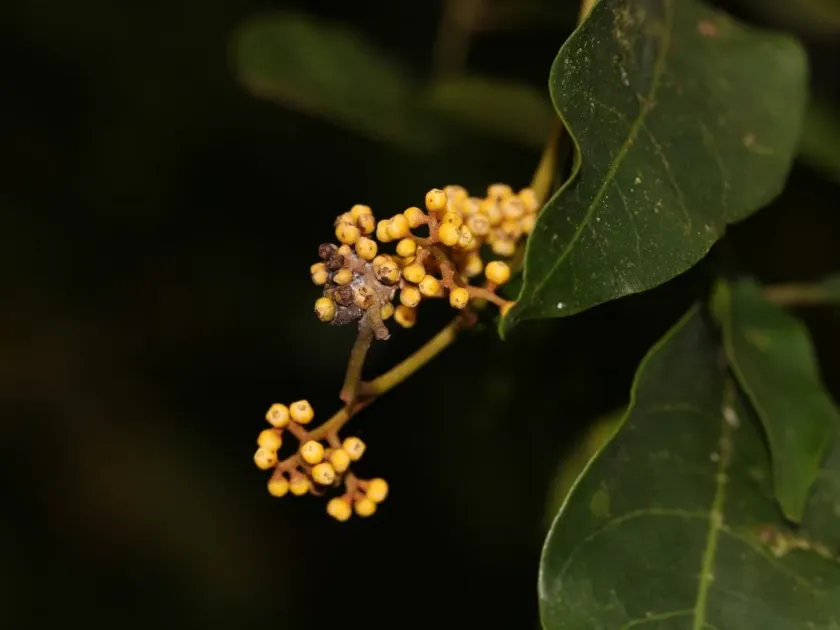
Description
Growing requirements
Aglaia apiocarpa belongs to the Meliaceae family and is native to the tropical forests of Southeast Asia. This evergreen woody species thrives in environments characterized by consistently high humidity and stable temperatures throughout the year.
The crop requires fertile, well-drained soils rich in organic matter to support its vigorous development. Heavy or waterlogged soils are detrimental to the root system, making proper site selection and soil preparation essential for successful cultivation.
Regarding light requirements, the plant prefers bright, filtered sunlight. While mature specimens may tolerate partial shade, optimal growth and fruit production are achieved when the plant receives sufficient, non-scorching exposure to natural light during the peak growing season.
Climate adaptation is a key factor; the plant is highly sensitive to frost and cold winds. Therefore, agricultural management must ensure a frost-free environment and protection from extreme weather events that could damage the canopy or hinder metabolic processes.
In terms of хозяйственное (economic) utility, Aglaia apiocarpa is valued for its dense, durable wood and potential applications in sustainable forestry. Additionally, research into its phytochemical properties suggests a promising role in traditional and modern herbal applications.
Main diseases and pests
Major pests affecting this crop include scale insects and spider mites, which typically target the undersides of leaves and young stems. Integrated pest management strategies, focusing on biological controls and regular monitoring, are recommended to maintain plant vitality.
Pathogenic threats include soil-borne fungi that lead to root rot if drainage is insufficient. Keeping the growing area clean and ensuring optimal aeration around the roots are the most effective preventive measures against such outbreaks in tropical plantations.