
Aglaia odorata
Aglaia odorata
Description
Growing requirements
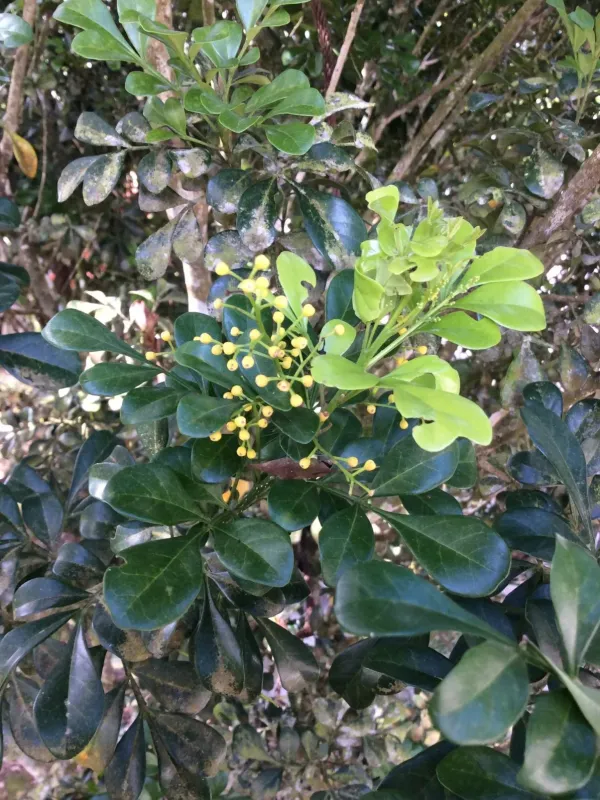
Aglaia odorata, commonly known as the Chinese rice flower, is an evergreen shrub or small tree belonging to the Meliaceae family. Native to the tropical regions of Southeast Asia, this plant is highly prized for its tiny, fragrant, yellow flowers that resemble grains of rice and emit a sophisticated, tea-like scent.
For optimal growth, Aglaia odorata requires a location with bright, indirect light. While it can tolerate partial shade, insufficient light will significantly reduce its ability to bloom. The ideal temperature range for this species is between 20°C and 28°C, with a brief period of cooler temperatures during winter months helping to trigger flower production.
The plant thrives in a well-draining, slightly acidic potting mix. A combination of peat moss, loam, and coarse perlite or sand creates the perfect structure for root health. Because the roots are prone to rotting in waterlogged soil, the use of pots with drainage holes is non-negotiable for successful cultivation.
Watering practices should focus on maintaining consistent soil moisture without allowing the roots to sit in stagnant water. During the active growth season, regular fertilizing with a balanced liquid fertilizer is recommended. Maintaining high ambient humidity is equally important, especially when the plant is kept in an indoor environment with low atmospheric moisture.
Beyond its ornamental value in gardens and interiors, Aglaia odorata has significant historical use in the perfume and tea industries. The flowers are often harvested and dried to scent tea leaves, a traditional practice in various Asian cultures. The plant is also used in tropical landscaping as a fragrant hedge or decorative specimen.
Main diseases and pests
Common pests affecting Aglaia odorata include spider mites, mealybugs, and scale insects. These pests often thrive when the plant is stressed by poor ventilation or low humidity levels. Regular inspection and the application of horticultural oils or systemic insecticides can help manage these infestations effectively.
Root rot caused by overwatering is the most significant health threat to this culture. Symptoms include yellowing leaves that drop prematurely and a softening of the stem base. To resolve this, affected plants must be repotted into fresh, dry soil after pruning away any necrotic root tissue.