
Aglaia cucullata
Aglaia cucullata
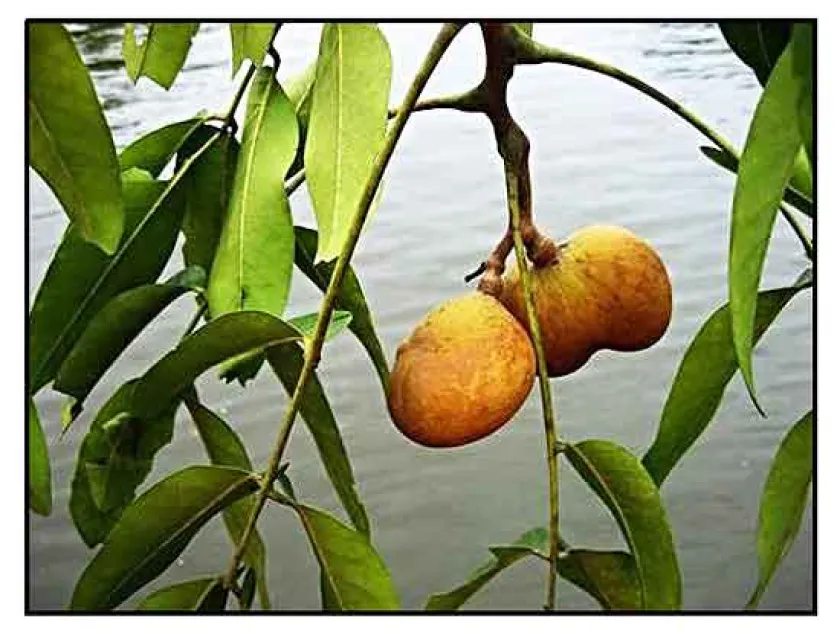
Description
Growing requirements
Aglaia cucullata is a significant tree species belonging to the Meliaceae family. It is naturally adapted to flourish in mangrove habitats and river estuaries, primarily found throughout the tropical regions of South and Southeast Asia.
The plant thrives in humid tropical climates where temperature fluctuations are minimal throughout the year. It exhibits remarkable physiological tolerance to saline environments, making it a key component of coastal vegetation.
Soil requirements involve nutrient-rich, silty substrates that can sustain high moisture levels. The species is accustomed to periodic tidal flooding, which helps circulate nutrients in its root zone in the intertidal environment.
The botanical architecture of Aglaia cucullata includes dense, leathery leaves and specialized root systems that provide stability in soft, shifting mud. The tree is known for its slow but steady growth rate when environmental conditions are stable.
Cultivation of this species requires careful management of salinity levels and soil composition. Providing an environment that mimics its natural habitat, including sufficient moisture and protection from harsh direct winds, is essential.
Main diseases and pests
Habitat loss due to coastal development and the conversion of mangrove forests for aquaculture poses the primary threat to the wild populations of Aglaia cucullata. The destruction of these ecosystems reduces its natural range.
Pests such as wood-boring insects can significantly damage the structural integrity of the trunks. These infestations are often more severe in degraded habitats where trees are already stressed by environmental changes.
Fungal pathogens represent a threat under conditions of poor ventilation and excessive stagnant water. Monitoring for signs of leaf spot or bark decay is necessary for maintaining plant health in controlled environments.
In ornamental or botanical garden settings, infestations of mites and scale insects are common occurrences. Regular leaf inspection is recommended to detect these pests before they reach critical levels.
Effective management requires an integrated approach focusing on ecological stability. Minimizing mechanical damage and ensuring adequate air circulation are the best preventative measures against common diseases.