
Aglaia spectabilis
Aglaia spectabilis
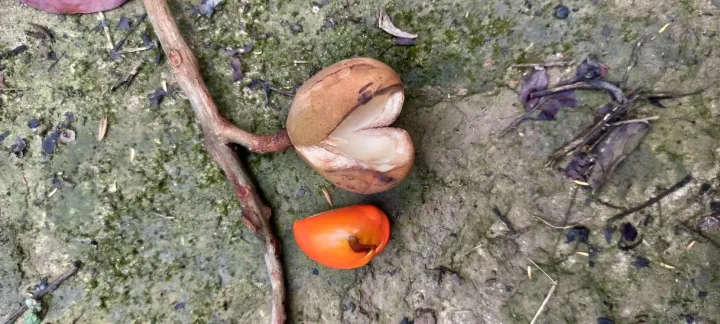
Description
Growing requirements
Aglaia spectabilis belongs to the Meliaceae family and is a prominent evergreen tree species found in tropical ecosystems. It typically grows as a large canopy tree, reaching heights of 30 to 40 meters.
The species is native to regions of Southeast Asia, India, and Northern Australia. It thrives in lowland rain forests where environmental conditions remain warm and humid throughout the year.
Successful cultivation requires deep, nutrient-rich soils that possess excellent drainage properties. The species is sensitive to waterlogging, which necessitates careful site selection in forestry projects.
Light requirements for this species are age-dependent. Seedlings and young trees are shade-tolerant, which allows them to establish in the forest understory before eventually reaching the upper canopy.
Climate adaptability makes it a suitable candidate for tropical agroforestry. It plays an essential role in maintaining soil structure and supporting biodiversity within its natural range.
Yield
The primary economic output of Aglaia spectabilis is its high-quality timber. The wood is characterized by its significant density, durability, and a fine, attractive grain suitable for furniture.
Due to its physical properties, the timber is often utilized in high-end carpentry and construction. It is highly valued for its resistance to various types of structural wear and tear.
Beyond timber production, parts of the plant, including leaves and bark, are studied for secondary metabolites. These compounds show promise in various traditional and modern pharmacological applications.
The tree produces small fruit that serves as a vital food source for local wildlife. This ecological contribution is crucial for the restoration and maintenance of forest ecosystems.
The production cycle is characterized by slow growth compared to pioneer species. Therefore, forest management must account for long-term harvest timelines to ensure sustainable yields.
Main diseases and pests
Pest management is a critical aspect of nursery care for this species. Leaf-eating insects and various larvae can significantly impede the development of young saplings if not managed properly.
Fungal diseases, such as leaf spot, are prevalent in environments with poor air circulation or excessive moisture. Maintaining sanitation within the planting area is essential for disease prevention.
Rodent damage to the bark of juvenile trees can lead to partial or total ring-barking, which often results in the death of the specimen. Protective barriers are frequently used during early growth stages.
Environmental degradation, specifically deforestation, remains the most significant threat to the species. Protecting natural habitats is necessary to maintain genetic diversity within populations.
Competition from aggressive invasive weeds can suppress the growth of Aglaia spectabilis. Regular weeding and site maintenance are required until the trees are established enough to compete for resources.