
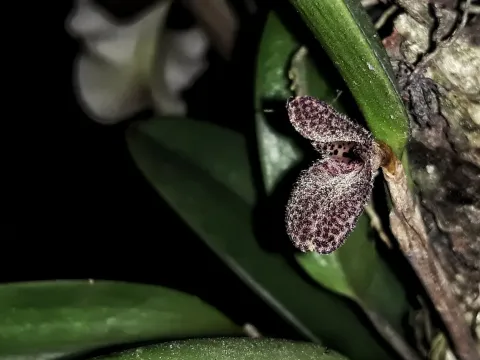
Restrepiella
Restrepiella
Restrepiella is a genus in the Orchidaceae family, characterized by its epiphytic growth habit. It originates from the tropical regions of Central America, spanning from Mexico to Nicaragua, where it thrives in high-humidity canopy environments.
What the section contains

Restrepiella
The plant requires moderate light conditions, avoiding direct, harsh sunlight which can scorch the thick, leathery leaves. A bright, indirect light location, such as an east-facing window, is ideal for optimal development.
Climate requirements include a stable temperature range between 15 and 25 degrees Celsius. It is crucial to maintain a temperature drop at night to support healthy metabolic processes and trigger the flowering cycle of the plant.
The potting medium must be porous and well-draining. Cultivators typically use a mixture of medium-grade bark, charcoal, and perlite. Growing the plant on a mount is also a successful method, provided the roots are kept moist.
High relative humidity is essential for the health of Restrepiella. Daily misting or the use of an automatic humidifier can help replicate the natural moisture levels required by this species to prevent dehydration.
This species is primarily grown for ornamental purposes in botanical gardens and private collections. Its unusual, small flowers, often described as having a snake-head appearance, are of great interest to orchid enthusiasts.
Propagation is typically achieved through division of the rhizome during the repotting process. Care must be taken to ensure each section has enough roots and at least three healthy pseudo-bulbs to ensure continued growth.
Pathogenic threats include fungal infections resulting from water stagnation in the crown of the plant. Proper air circulation is the primary defense against these diseases, as it facilitates the drying of leaves after watering.
Pests such as scale insects and spider mites are common concerns. Regular inspection of the foliage is necessary to detect early infestations, which can be managed by using horticultural soap or specific pesticides.