
Rhynchostele
Rhynchostele Rchb. f.
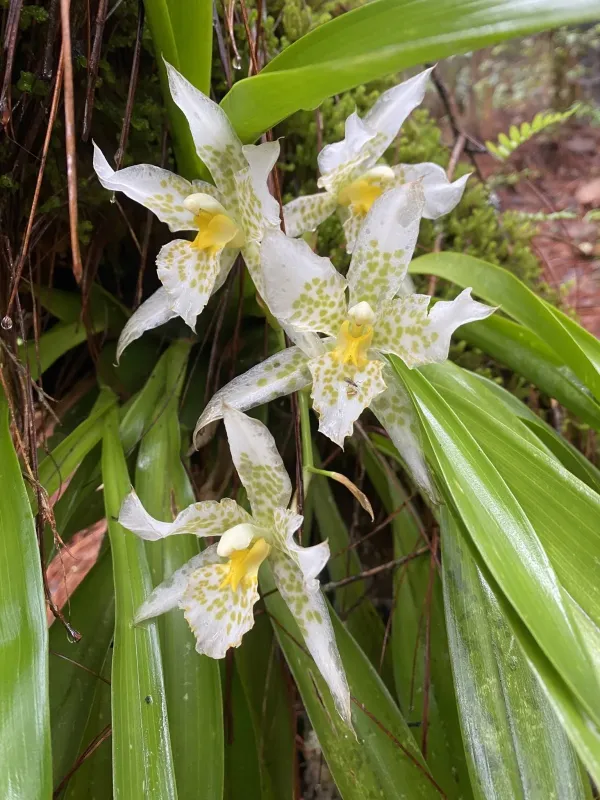
Description
Growing requirements
Rhynchostele is a genus of epiphytic orchids belonging to the Orchidaceae family. Native to the mountainous cloud forests of Mexico, Guatemala, and Costa Rica, these plants are well-adapted to cool, humid, and misty environments found at higher elevations.
Successful cultivation of Rhynchostele requires strict temperature control. They thrive in moderate temperatures, preferring daytime ranges of +18°C to +22°C and a significant drop at night to +12°C to +14°C. These diurnal temperature fluctuations are essential for healthy pseudobulb development and successful flowering.
The potting medium must be airy and well-draining, typically consisting of medium-grade pine bark, perlite, and a small amount of sphagnum moss. Epiphytic orchids need their roots to breathe, so a container that prevents water stagnation is vital for the plant's long-term health.
Bright but diffused light is necessary for these orchids. While they enjoy intensity, direct sunlight should be avoided as it can easily scorch the leaves. During the shorter winter days, supplemental artificial lighting is often recommended to maintain steady metabolic activity and promote blooming.
Watering frequency should be balanced with the ambient humidity, which should remain between 60% and 75%. It is crucial to allow the potting mix to dry out significantly between waterings. Overwatering is the most common cause of root rot, which can prove fatal to these sensitive species.
Main diseases and pests
Fungal and bacterial infections are the most significant threats to Rhynchostele, especially in stagnant or humid conditions without proper airflow. These infections often manifest as dark, water-soaked spots on the foliage and can quickly rot the base of the pseudobulbs.
Common pests include spider mites, which thrive in dry environments and can cause severe damage by piercing leaf tissue. Frequent inspection of the underside of the leaves is recommended to catch infestations before they compromise the health of the entire plant.
Mealybugs are another frequent pest, often congregating in the hidden crevices of the pseudobulbs and leaf axils. Physical removal combined with appropriate systemic insecticides is usually effective if caught in the early stages of the infestation.
Preventative care is centered around maximizing ventilation and maintaining strict hygiene. Using sterile tools during propagation or repotting prevents the spread of viruses and bacteria, while ensuring that water does not linger in the crown of the orchid prevents crown rot.
Regular monitoring and a proactive approach to environmental management are essential. By providing stable conditions that mimic their native high-altitude habitat, growers can minimize susceptibility to most common orchid pests and diseases.