
Restrepiella ophiocephala
Restrepiella ophiocephala
Description
Growing requirements
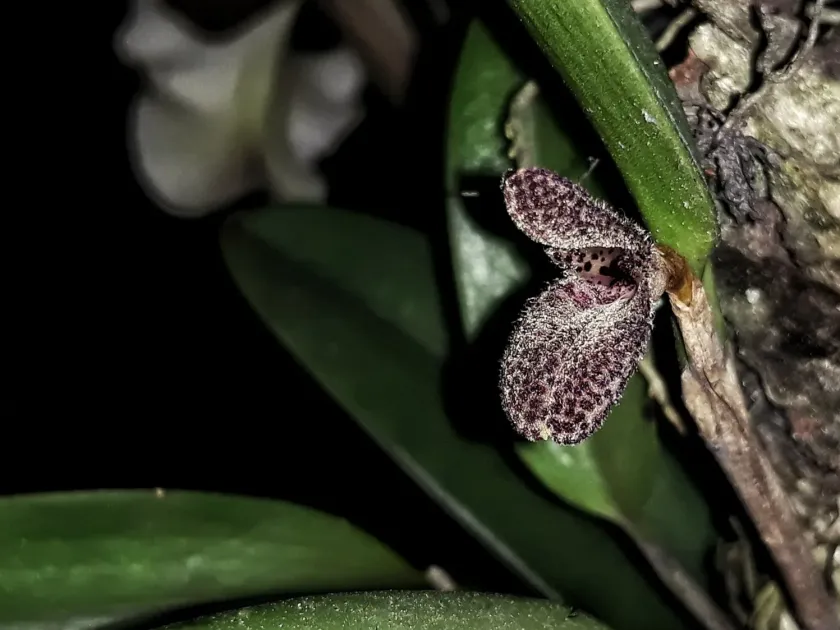
Restrepiella ophiocephala is a unique epiphytic plant belonging to the Orchidaceae family. It is native to the tropical regions of Central America, spanning from Mexico to Nicaragua. The plant is well-regarded for its compact size and its distinctive, snake-head shaped flowers that bloom directly from the base of the leaves.
Botanically, this species exhibits a sympodial growth habit, creating dense clusters of leathery, fleshy leaves. It is highly valued in horticultural collections for its architectural appearance and ease of maintenance when specific environmental requirements are met.
Climate requirements for this culture include high humidity, ideally ranging between 60% and 80%, combined with moderate temperatures. It thrives in conditions that mimic its natural habitat, favoring a range of 18–25 degrees Celsius. Proper ventilation is critical to prevent fungal outbreaks in the leaf axils.
The choice of soil is vital for the success of this orchid. A well-draining epiphyte mix containing orchid bark, perlite, and charcoal is recommended. Regular watering is necessary during the active growth period, ensuring the medium stays moist but never waterlogged to protect the delicate root system.
Cultivation practices focus on providing bright, indirect light to stimulate flowering. While not used for large-scale agricultural production, it serves as a staple in ornamental horticulture, greenhouse management, and private botanical collections.
Main diseases and pests
Common pests affecting this orchid include mealybugs and spider mites. These can be effectively managed by maintaining proper hygiene, regular inspections, and applying appropriate horticultural oils or systemic insecticides when an infestation is detected.
Pathogenic threats primarily include root rot and stem rot, often caused by poor drainage or excessive stagnant water. Ensuring the growth medium is not compacted and allowing adequate airflow around the base of the plant are the most effective preventative measures against these diseases.