
Northern starflower
Trientalis borealis
Description
Growing requirements
The northern starflower (Trientalis borealis) is a herbaceous perennial belonging to the Primulaceae family. It is distinguished by its delicate growth habit and thin, creeping rhizomes that allow it to spread across forest floors.
This plant thrives in cool, moist, and shaded environments. It is primarily found in coniferous and deciduous forests, where it utilizes the canopy for protection against intense sun exposure and wind.
Soil requirements are quite specific: the species prefers humus-rich, acidic, and well-drained soils. High moisture retention in the topsoil layer is essential for the healthy development of its delicate root system.
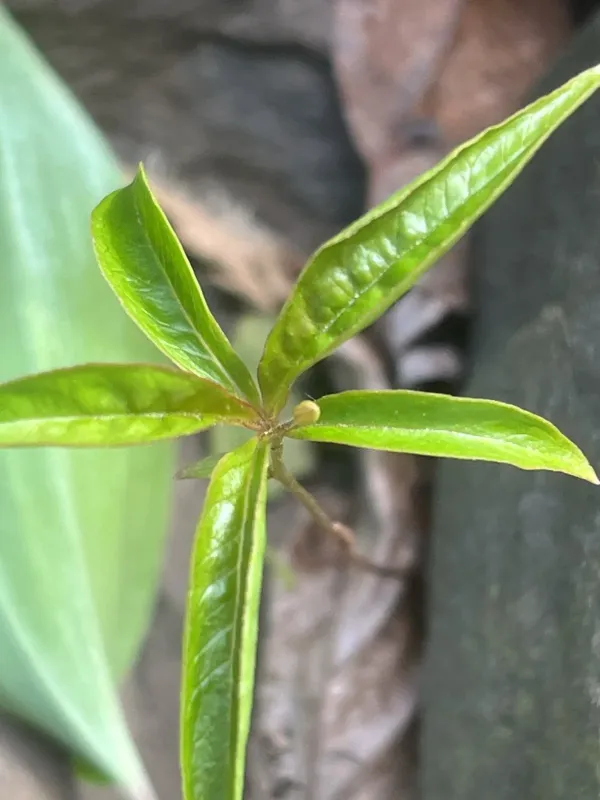
Botanically, the plant is known for its whorl of leaves arranged at the top of a slender stem. The flowers are typically star-shaped, featuring a varying number of white petals, which provides the common name.
The geographical range is concentrated in North America, particularly in northern latitudes. As an understory species, it plays a vital role in maintaining the stability of the forest floor's micro-ecosystem.
Main diseases and pests
Habitat loss due to deforestation and land development remains the most significant threat to the northern starflower. Changes in the local microclimate often lead to desiccation of the soil, which the plant cannot survive.
Gastropods, including slugs and snails, are common pests that feed on the foliage of the plant. Significant infestation can lead to stunted growth and reduced reproductive success for entire colonies.
Fungal pathogens can affect the plant during excessively wet or humid seasons. Root rot is a common issue when drainage is compromised, leading to the rapid decay of the underground rhizome system.
Competition from aggressive opportunistic species and weeds often forces the northern starflower out of its preferred habitats, as it struggles to compete for limited soil nutrients and space.
Environmental stresses, such as soil compaction or changes in soil acidity levels caused by atmospheric deposition, can also inhibit the plant's ability to establish a healthy symbiosis with beneficial soil fungi.