
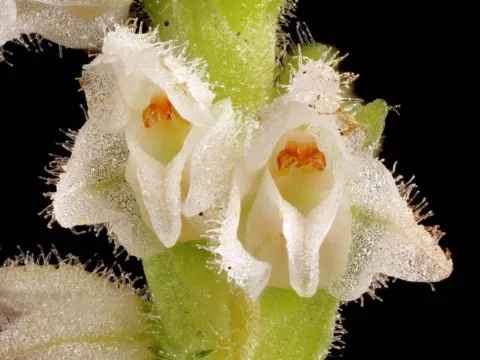
Sotoa
Sotoa
Propagation of Sotoa is primarily achieved through vegetative methods by dividing the plant during its active growth phase. This ensures that each section retains enough roots to establish itself successfully in a new, sterilized substrate.
What the section contains
Sotoa
For seed propagation, which is complex and requires laboratory conditions, specific nutrient-rich agar media are necessary. Since seeds lack endosperm, they depend entirely on symbiotic fungi or artificial nutrient supplementation to germinate.
The optimal time for initiating growth cycles is late spring when light intensity increases naturally. Maintaining a stable temperature between 20 and 25 degrees Celsius is crucial for rooting success and early development stages.
After successful germination or division, young plants require a period of careful stabilization. Gradually acclimating the plants to standard greenhouse humidity is essential to prevent shock and ensure steady tissue growth.
The total duration for a plant to reach maturity depends heavily on the consistency of the environmental parameters. Growers should focus on stable light and moisture management during these formative stages of development.
Sotoa, as part of the Orchidaceae family, thrives in conditions that mimic its natural tropical habitat. It requires bright but filtered light, as direct exposure can cause significant photo-damage to the leaves.
The potting medium must be highly porous to ensure excellent drainage and root aeration. A mix of pine bark, charcoal, and sphagnum moss is considered the industry standard for maintaining healthy root systems in this genus.
Water quality is of paramount importance for Sotoa, requiring the use of soft or purified water at room temperature. Over-watering and subsequent water stagnation in the crown area should be avoided at all costs to prevent rot.
High relative humidity, ideally between 60 and 75 percent, is necessary to support the plant's metabolic functions. Using misting systems or humidity trays can help maintain these levels in controlled environments.
Balanced, orchid-specific fertilizers should be applied during the growing season at half the recommended concentration. Avoiding high salt buildup in the substrate is vital for long-term plant vigor and health.
Common pests affecting Sotoa include spider mites and mealybugs, which are prevalent in low-humidity conditions. Regular monitoring of the foliage and leaf axils is necessary to detect infestations before they spread.
Fungal pathogens such as Fusarium and Rhizoctonia pose significant risks, especially when drainage is insufficient. These diseases can quickly decimate a plant if the root system remains waterlogged for extended periods.
Bacterial leaf spot can also occur, presenting as water-soaked lesions that spread quickly. Immediate removal of affected tissues and the application of appropriate bactericides are standard practices for disease control.
Preventative measures include maintaining excellent air circulation around the plants to reduce moisture accumulation on the leaves. Keeping the growing area clean and free of organic debris minimizes the risk of pathogen buildup.
Integrated pest management strategies, focusing on early detection and biological control where possible, are recommended for large-scale collections to preserve the integrity of the crop.