
Aa
Aa
The genus Aa belongs to the Orchidaceae family. These are terrestrial orchids native to the high-altitude regions of the Andes, thriving in environments known as paramo, which are characterized by cool and humid conditions.
What the section contains


Aa
These plants are highly specialized to survive in extreme alpine elevations. They require consistent environmental parameters that mirror their natural habitat, making them challenging for general horticultural practices.
Cultivation requires a growing medium with exceptional drainage properties. A mix of volcanic rock, gravel, and minimal organic peat is preferred to prevent water stagnation, which is fatal to their roots.
Temperature control is the most critical aspect of their care. They require a significant diurnal temperature drop to stimulate normal growth processes and prevent premature exhaustion of the plant's resources.
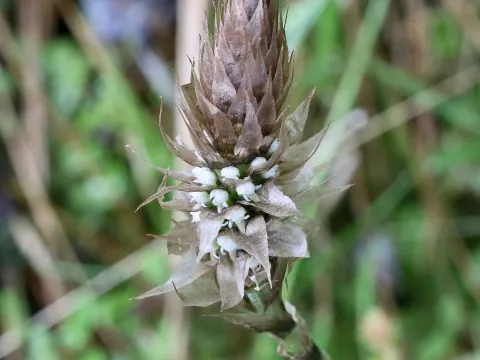
Botanically, plants of the genus Aa are recognized by their dense, spike-like inflorescences and basal leaves. They serve as a fascinating subject for botanical research rather than large-scale agricultural exploitation.
The primary threat to the Aa genus in the wild is habitat degradation due to climate change. As their mountain environments warm, these plants are forced into increasingly smaller and higher ecological niches.
In artificial cultivation, root rot is the most prevalent disease. It is almost always caused by an overly dense substrate or excessive humidity combined with poor air movement around the root zone.
Common pests such as spider mites and scale insects represent a significant danger. They exploit weakened plants, particularly in environments where humidity levels are not properly regulated.
Fungal pathogens can rapidly colonize the tissue of these delicate plants. Preventive measures must include sterilization of all growing equipment and careful monitoring of the plants' health status.
Because these orchids depend on specific mycorrhizal associations in nature, they often fail to thrive long-term in containers unless the necessary symbiotic fungi are present or the growing conditions are perfect.