
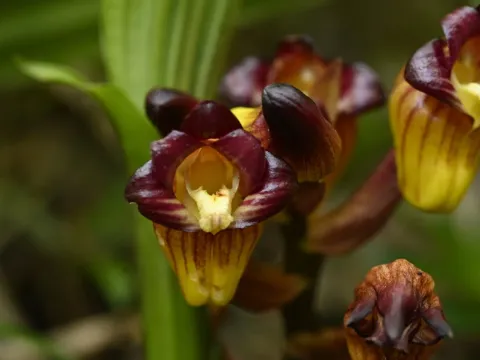
Acanthophippium
Acanthophippium
Acanthophippium is a genus of sympodial orchids within the Orchidaceae family, native to tropical regions of Asia, including India, Indonesia, and Japan. These plants are known for their distinct jug-shaped pseudobulbs and large, pleated foliage, which distinguish them from other terrestrial and epiphytic orchid species.
What the section contains


Acanthophippium
The botanical structure of this culture is uniquely adapted to shaded forest floors or tree-growing conditions. They require consistent moisture levels and protection from direct, harsh sunlight. Successful cultivation depends on simulating a tropical habitat with high humidity levels and well-drained, airy growing media.
Temperature requirements for Acanthophippium are generally moderate. A cooling period is often necessary to encourage the development of the striking, colorful flowers. Providing proper air circulation is essential to prevent the accumulation of moisture on the leaves, which can lead to rapid decay.
The potting medium should consist of high-quality bark, sphagnum moss, and charcoal to maintain root health. Fertilization should be light but regular throughout the growing season, using specifically formulated orchid fertilizers. Proper hydration without waterlogging is the cornerstone of managing this culture effectively.
The primary use of Acanthophippium is in specialized ornamental horticulture. Because of its challenging requirements, it is considered a collector's plant, often grown in greenhouses or temperature-controlled indoor environments where specific climatic parameters can be strictly regulated by the grower.
The most common threats to the health of Acanthophippium include fungal root rots, which are often exacerbated by poor drainage and excessive moisture. Maintaining a sterile growing environment and using high-quality components for the substrate significantly reduces the risk of such infections.
Insect pests, including mealybugs and scale insects, frequently pose a threat to the plant by feeding on the sap of the pseudobulbs and leaves. Constant monitoring is required, as these pests can quickly colonize the plant and weaken its overall vitality and resistance to environmental stress.
Proactive disease management involves maintaining proper hygiene in the greenhouse and ensuring good ventilation. If infestations occur, systemic insecticides or horticultural oils may be used to manage the population, provided that the concentration and application method are appropriate for sensitive orchid tissue.