
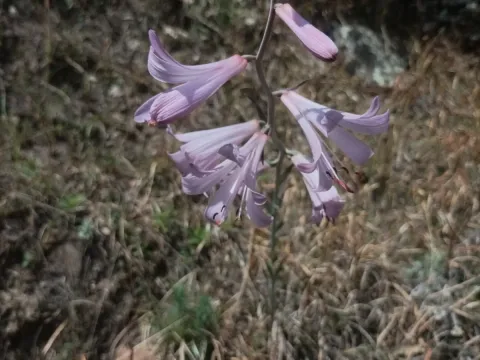
Notholirion
Notholirion
Planting Notholirion bulbs is best performed in the autumn, allowing the roots to establish before the onset of winter dormancy. This timing is crucial for the plant to successfully complete its cycle.
What the section contains


Notholirion
If spring planting is necessary, use only high-quality, dry-stored bulbs. It is essential to wait until the danger of hard frost has passed and the soil has warmed up sufficiently in mid-spring.
The planting depth should range between 10 and 15 centimeters. Adjust this based on soil texture: deeper in lighter, sandy soils and shallower in heavier, more compact garden beds.
Ensure proper spacing of approximately 20 to 30 centimeters between bulbs. This spacing allows for adequate airflow around the foliage, significantly reducing the likelihood of fungal infections.
Incorporate a layer of coarse sand at the bottom of the planting hole to act as drainage. This simple step prevents water accumulation around the bulb base, which is vital for preventing rot.
Notholirion thrives in locations with bright, dappled sunlight. Avoid intense midday sun, as it can scorch the foliage and shorten the plant's decorative lifespan.
The soil must be well-draining, loose, and rich in humus. A neutral to slightly acidic pH is ideal for promoting healthy growth and vibrant flowering characteristic of the genus.
Consistent moisture is required throughout the growing season. While the soil should remain moist, it must never be waterlogged, as stagnant water is the primary cause of bulb failure.
The species requires a climate with mild winters. In regions where temperatures drop significantly below freezing, provide a layer of mulch or protective coverage to insulate the bulbs.
Fertilization should be applied moderately during the early stages of spring growth. Use balanced slow-release fertilizers, avoiding excessive nitrogen to ensure strong tissue development.
Fungal diseases are the primary threats to Notholirion, particularly during periods of high humidity. Botrytis and fusarium can cause severe damage to the bulb if preventative measures are ignored.
Crop rotation is essential for the long-term health of your bulbs. Avoid planting Notholirion in areas where other lily-family plants were grown within the last three to four years.
Insect pests, such as the lily beetle and various aphids, may target the leaves and buds. Frequent inspections are recommended to catch infestations before they spread across the garden.
When chemical intervention is required, use systemic fungicides or insecticides specifically labeled for ornamental bulbs. Always apply treatments during the cool parts of the day.
Maintaining a clean garden bed by removing decaying plant matter is the most effective way to prevent the overwintering of pathogens and harmful insect populations.